Iceland Winter vs Summer: Which Trip to Take
Winter gives about 5.5 hours of January daylight, aurora and natural ice caves. Summer gives open highlands and no darkness. A verdict by traveller type.
 By Björn Einarsson, Icelandic guide & winter tour specialist
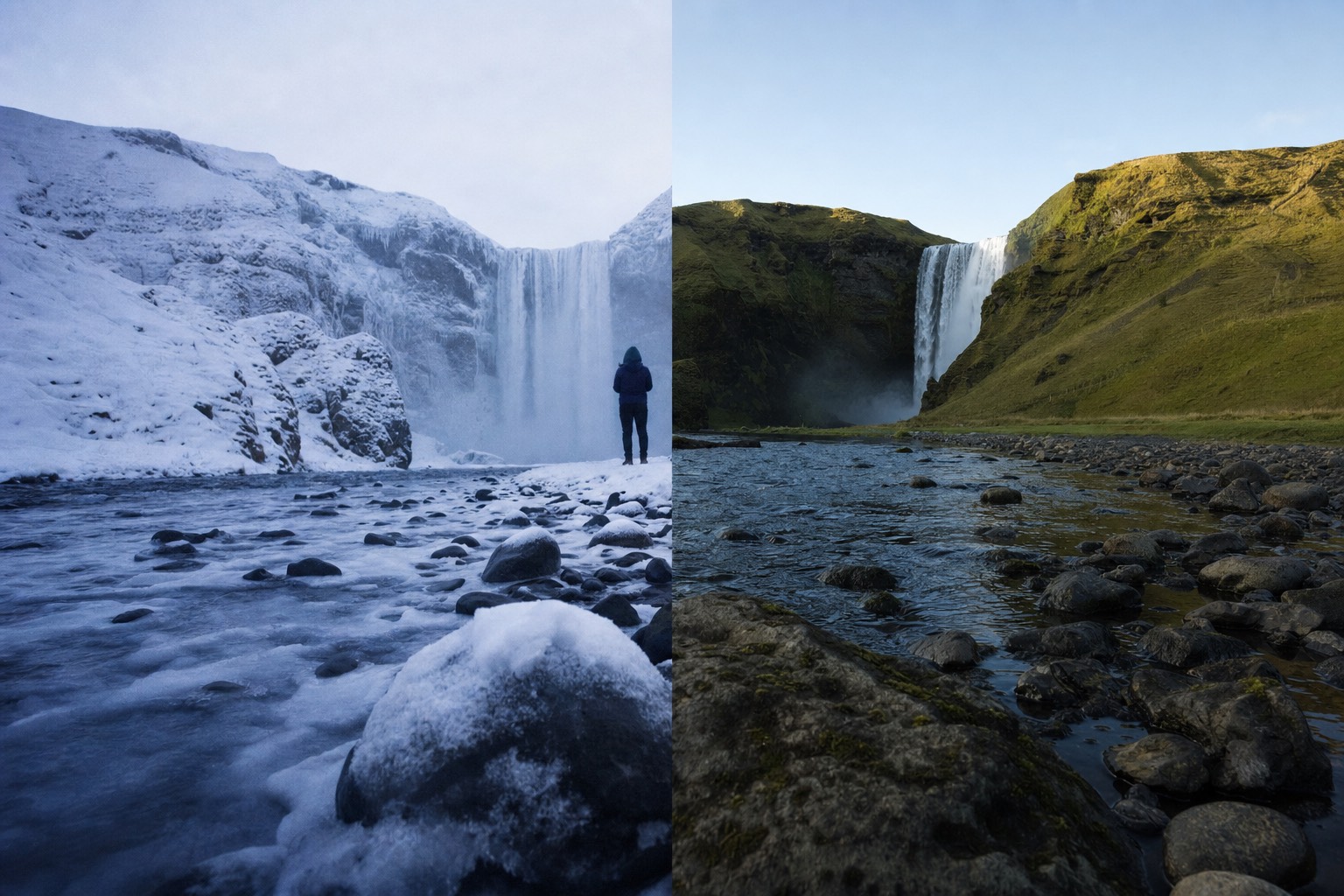
TL;DR. These are not two versions of the same holiday. Winter buys you three things summer cannot sell at any price: natural ice caves, the aurora, and empty landmarks. Summer buys you light that never really goes, the highlands, puffins on the cliffs and a road system that mostly does what the map says. If you want to see Iceland's landscape, go in summer. If you want to feel the North Atlantic doing its worst while standing in a blue cave, go in winter. Most people should pick by temperament, not by weather forecast.
Iceland in winter or summer: which trip should you actually take?
Take winter if the aurora, ice caves or an emptier country are the reason you are going. Take summer if you want to cover distance, see the interior, hike, or travel with people who will not tolerate four hours of daylight and a lot of standing around in wind.
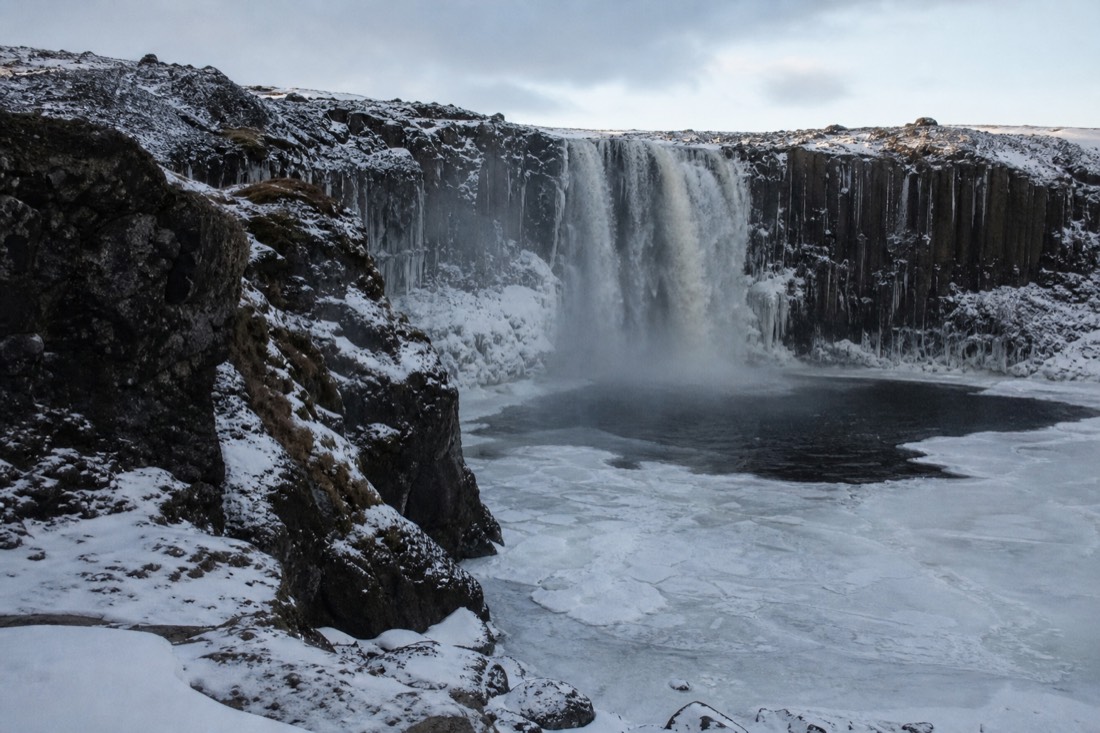
I guide here through the dark months, so I have an obvious bias, and I am going to argue against it for a paragraph. Summer Iceland is easier in every measurable way. Roads open, ferries run, the whole ring is available, and you can be at a waterfall at eleven at night in daylight. Nothing in winter is that convenient.
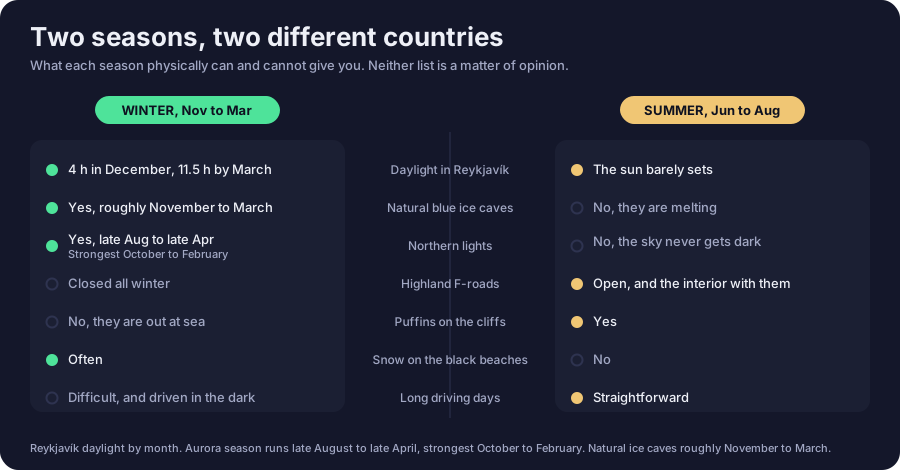
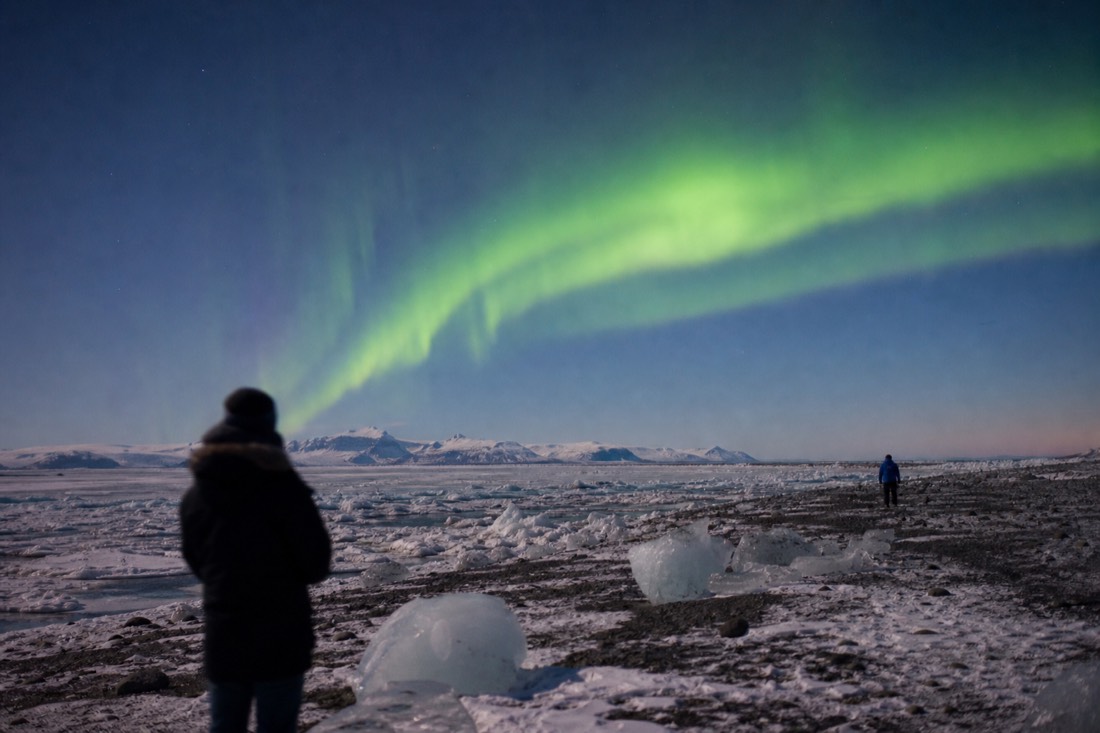
What winter has is exclusivity of experience. Roughly November to March, meltwater tunnels inside the glaciers refreeze into caves you can walk into. In July they are running water. The aurora season stretches from late August to late April and peaks between October and February, which is a plain astronomical and meteorological fact rather than a marketing line, as Visit Iceland sets out.
So the real question is not which season is better. It is which of those two lists contains the thing you would be annoyed to miss.
| What you want | Winter (Nov to Mar) | Summer (Jun to Aug) |
|---|---|---|
| Natural blue ice caves | Yes, roughly November to March | No, they are melting |
| Northern lights | Yes, late Aug to late Apr, strongest Oct to Feb | No, the sky never gets dark enough |
| Midnight sun | No | Yes |
| Highland F-roads and the interior | Closed all winter | Open |
| Puffins on the cliffs | No, they are at sea | Yes |
| Whale watching from Reykjavík | Yes, runs year-round | Yes |
| Snow on the black beaches | Often | No |
| Golden Circle and South Coast day tours | Yes, daily | Yes, daily |
| Long driving days across the country | Difficult and dark | Straightforward |
What does winter give you that summer physically cannot?
Two things, and both are seasonal by physics rather than by policy. Natural ice caves exist only while the glacier is cold enough to hold the meltwater tunnel open, roughly November to March. The aurora needs actual darkness, which Iceland does not have between May and August.
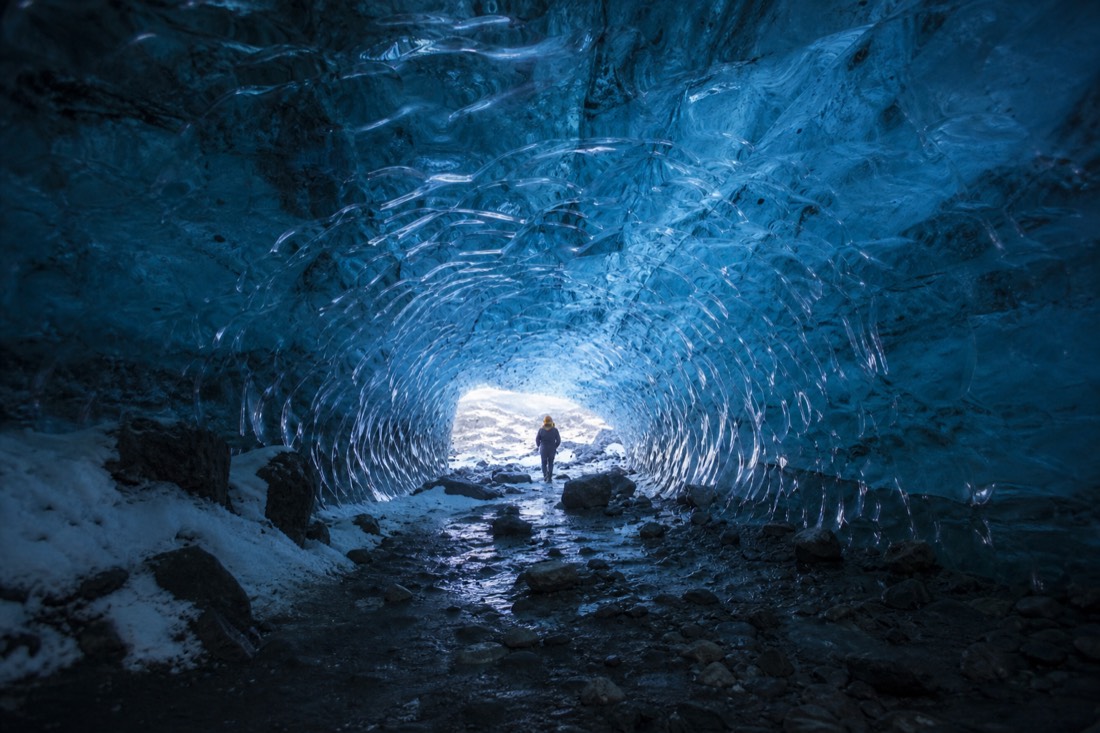
The ice cave is the one I would not compromise on. These are not attractions somebody built. They form each cold season, they collapse, they move, and the cave you walk into this January is not the one from two winters ago. That is also why nobody can promise you a particular cave, and why the good operators talk about conditions rather than photographs.
The aurora is the other, and it is the one people misunderstand most. You need solar activity and a gap in the cloud on the same night, and the second condition fails far more often than the first. Nobody guarantees it honestly. What a tour buys you is somebody whose job is to drive away from the cloud, which is the whole game, and I have written about how a night actually unfolds in what a northern lights tour is really like.
Then there is the quiet, which does not show up in any list of attractions but changes everything. Þingvellir at nine in the morning in January has a handful of people in it. In July it has a car park problem.
What does summer give you that winter cannot?
Access and light. Every highland F-road is closed for the entire winter, which puts Landmannalaugar, Þórsmörk and the interior out of reach from October onwards. Summer also gives you a sun that barely sets, so a day tour can hold twice as many stops without anyone rushing.
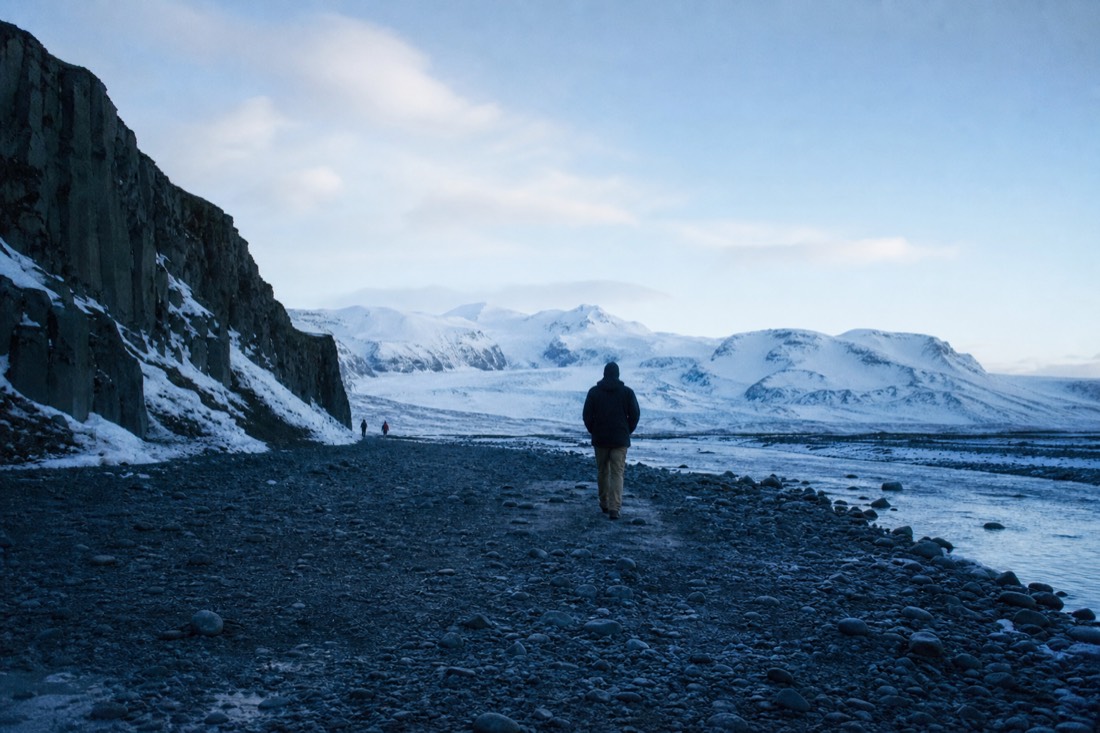
If your Iceland is a hiking Iceland, this is not a close call. The interior is the most extraordinary part of the country and it is simply not available in winter to anyone in a normal vehicle. Nor are most mountain passes, which is why winter itineraries look repetitive: everyone runs the same south-west corridor because it is the part that stays open.
Summer also removes an entire category of stress. No morning check of the road board, no rescheduled tour, no deciding whether you are confident enough to drive to Vík in sleet. The midnight sun period means you can be flexible in a way December never allows.
The trade is crowds and cost pressure at exactly the time everyone else has booked. Summer is when Iceland feels like a destination rather than a place.
How different is the daylight, really?
Very. Reykjavík gets about four hours of usable light at the December solstice and about eleven and a half by March. Summer runs the other way to near-permanent daylight. Winter travel is therefore built around a short window, and the whole shape of a winter itinerary follows from it.
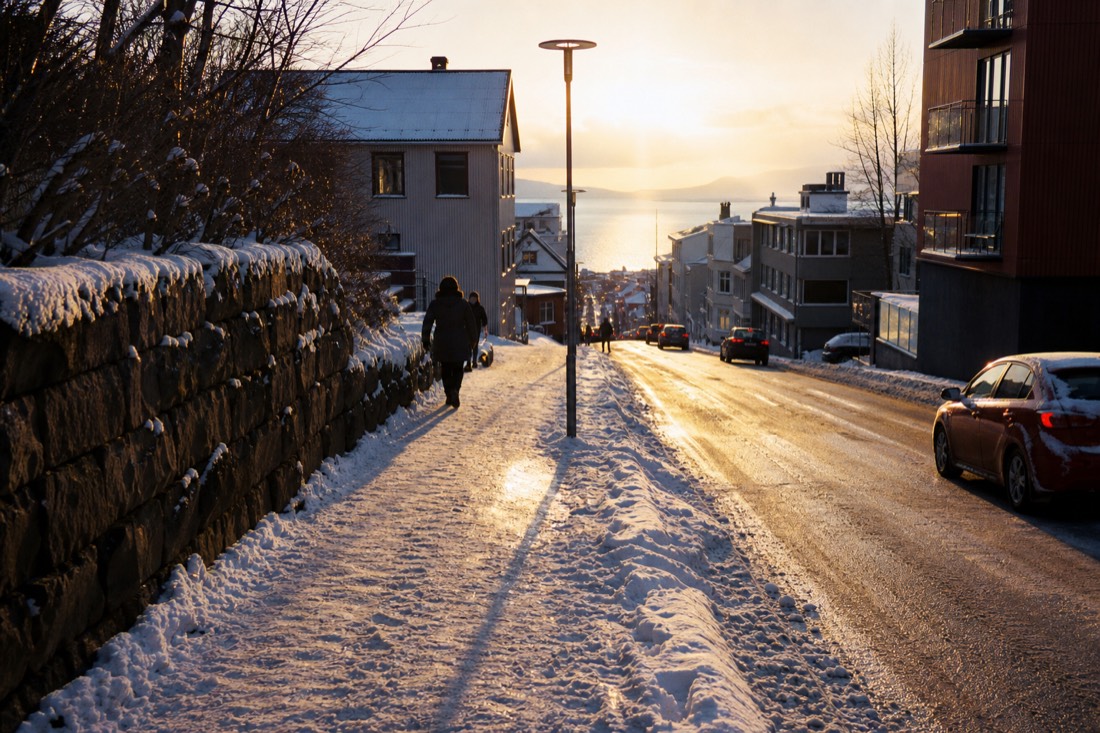
Four hours sounds unbearable and mostly is not, because Icelandic winter light is long, low and gold for most of the time it exists. Sunrise and sunset run into each other. Photographers love December for exactly the reason casual visitors dread it.
But the planning consequence is real. A December day holds one big thing and one small thing. A March day holds three. If you are choosing between winter months rather than between seasons, that decision has its own page: the best month to visit Iceland in winter goes through them one at a time, and I am deliberately not doing it here.
| Month | Reykjavík daylight | What that allows |
|---|---|---|
| November | about 6.5 h | Full South Coast day, ice caves opening |
| December | about 4 h | One major stop, long golden light, festive Reykjavík |
| January | about 5.5 h | Ice caves, aurora, the emptiest month of the three |
| February | about 8.5 h | Two or three stops, still full aurora season |
| March | about 11.5 h | Almost normal touring, aurora fading late in the month |
Is winter actually cheaper?
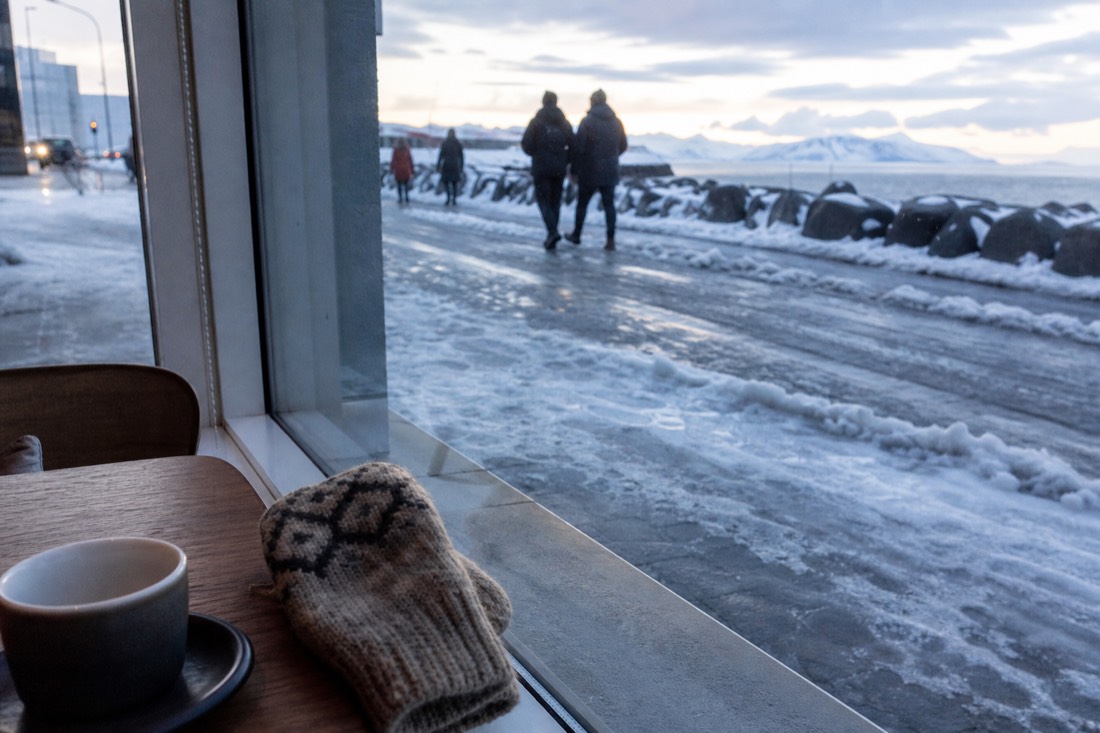
Partly. Flights and rooms move with demand, and demand is visibly lower in the darkest months. What does not move is the price of being in Iceland: food, fuel and beer cost the same in January as in July, and that surprises people who booked winter expecting a budget trip.
Here is the part most comparison articles get wrong. They present winter as the cheap season and stop there. In practice the fixed cost of daily life in Iceland is high all year, and a 2024 accommodation tax plus paid parking at some natural sites has added a little on top of that. Where winter genuinely saves you money is the airfare, the hotel rate and the ability to book two weeks out rather than five months.
| Everyday cost | Approximate range | Changes by season? |
|---|---|---|
| Restaurant meal | 3,000 to 5,000 ISK | No |
| Beer | 1,200 to 1,500 ISK | No |
| Petrol, per litre | 250 to 300 ISK | No |
| Reykjavík hotel night | 25,000 to 40,000 ISK | Yes, lower in deep winter |
| City bus fare | 500 to 1,000 ISK | No |
Cards work everywhere, including the smallest petrol station on the South Coast, and tipping is not expected. Tap water is excellent, so buying bottled water in Iceland is the single most avoidable expense in the country.
Which season is riskier for cancelled plans?
Winter, clearly, and it is worth pricing that in rather than pretending otherwise. Winter tours cancel for wind, ice and visibility. The compensating fact is that Icelandic operators reschedule or refund their own weather cancellations, and every listing on this site allows free cancellation up to 24 hours ahead.
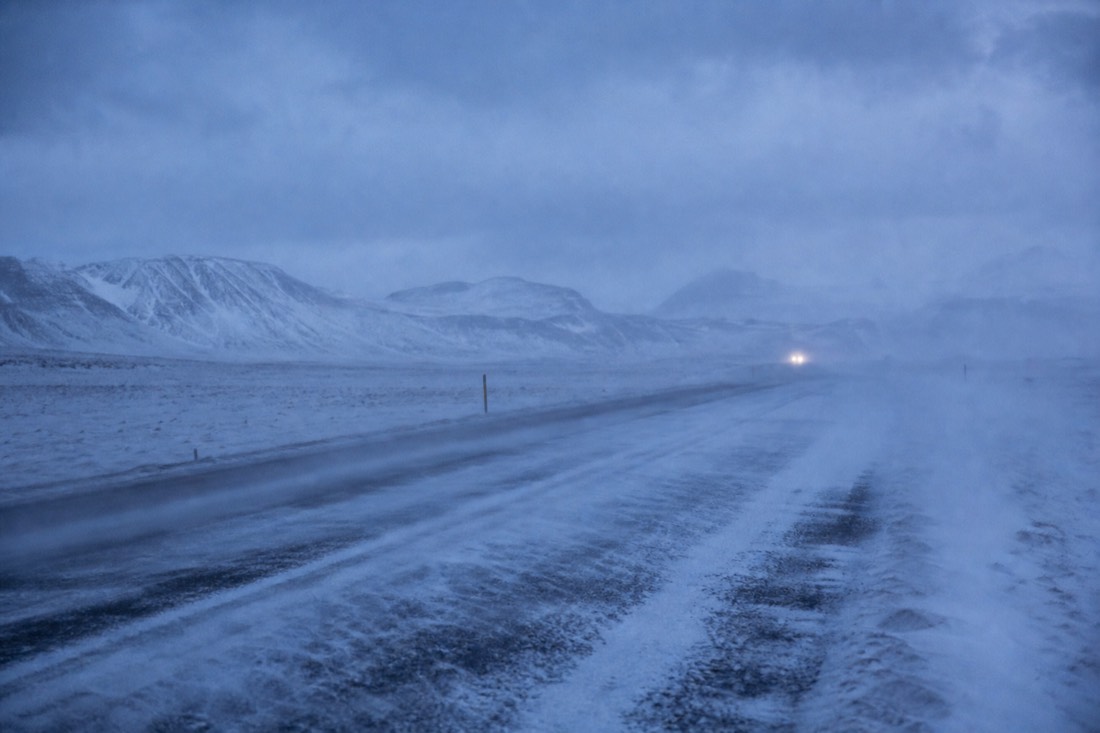
The way to absorb this is structural, not optimistic. Give yourself one more night than the itinerary needs, put the weather-sensitive thing early, and check road.is each morning rather than the night before. Studded tyres are legal here from 1 November to 15 April, and if your rental does not have them in January, that tells you something about the rental.
Summer has its own small risks, mostly fog and rain, but almost nothing that cancels a day. That is the real difference: in summer the weather changes what you see, and in winter it changes whether you go.
Which should you book, by traveller type?
Couples chasing the aurora and photographers should take winter without hesitation. Families with small children, hikers, road-trippers and anyone doing the full ring road should take summer. First-time visitors with four days and a specific bucket-list image in their head should pick by the image, not the season.
If the cave is the reason you are coming, then book it as the anchor of the trip and build around it: the Vatnajökull ice cave tours page compares the real options, and the most-booked of them is available to check for your dates on GetYourGuide at 4.2 across 2,171 reviews.
| Traveller type | My verdict | Why |
|---|---|---|
| Aurora hunters | Winter | The sky is not dark enough between May and August |
| Photographers | Winter, ideally December | Low golden light lasts most of the short day |
| Hikers and highland travellers | Summer | F-roads and the interior are closed all winter |
| Families with children under 8 | Summer | Short daylight and long bus days are hard on small children |
| Ring road road-trippers | Summer | Winter driving turns a week's route into a gamble |
| Short city break, 3 to 4 days | Winter | Everything reachable from Reykjavík still runs, and it is quieter |
| Whale watchers | Either | Reykjavík boats run year-round, with different species |
| Budget travellers | Winter, outside Christmas | Airfare and rooms drop, everything else does not |
How much busier is summer, and where does the crowding show?
Winter is not empty, it is unevenly full. About 119,000 foreign visitors came through Keflavík in January 2026 and 147,000 in February, against roughly 2.27 million across the whole of 2025. The crowding you notice in either season is not spread across the country, it is concentrated in the four or five car parks everybody stops at.
The useful way to think about this is that Iceland has a small number of famous places and a very large amount of nothing. Summer fills the famous places from morning until evening because there are twelve or more hours in which to fill them. Winter fills the same car parks hard for about two hours in the middle of the day, then hands them back to you.
Which means the honest answer to "is winter quieter" is: yes, and mostly at the times you were not planning to be there. A February beach at half past three is genuinely empty. The same beach at one o'clock has every coach that left Reykjavík that morning parked outside it.
Where winter is unambiguously easier is everything with a booking attached. Rooms are available, restaurants take walk-ins, and you can decide on Tuesday what you are doing on Thursday. The exception is anything capacity-limited: ice caves run on permits and vehicles, around 30 companies hold those permits, and holiday weeks fill up.
| The pinch point | In winter | In summer |
|---|---|---|
| The famous car parks | Packed for about two hours around midday, quiet either side | Busy through most of a long day |
| Reykjavík hotel rooms | Available, and cheaper in the darkest weeks | Book well ahead, and pay for it |
| Popular short tours | Sell out around Christmas, New Year and half-terms | Sell out as a matter of routine |
| Ice cave capacity | The real constraint, and around 30 companies hold the permits | Not a constraint, because the caves have melted |
| The ring road | Quiet, and quiet is not always a good thing in a storm | Steady traffic, and every service open |
| Restaurants | Walk in most evenings | Reserve, especially at weekends |
Two smaller things belong here. Winter quiet has a cost attached: fewer other cars means fewer people to notice if you slide off a road, which is exactly why safetravel.is asks you to file a travel plan. And the emptiness people came for is mostly a January and early-February phenomenon rather than a whole-season one, which is the argument made in more detail in hidden gems in Iceland in winter.
What do the shoulder months give you that neither season does?
The overlap. Aurora season runs from late August to late April, natural ice caves run roughly October through April, and by March Reykjavík is back to about 11.5 hours of daylight. October, November, March and April therefore hand you winter's two exclusives with a workable amount of light, which is a combination neither December nor July can offer.
This is the answer I give most often and see written up least. People frame the decision as a binary because the articles are written as a binary, and then they book December, when the country gives them four hours and the highest chance of a storm week, or July, when it gives them everything except the two things that made them curious in the first place.
March is the month I would send a first-timer to if they wanted one trip that did the most things. The caves are still in season, the aurora is still running until it fades late in the month, and eleven and a half hours of daylight means a South Coast day is sightseeing rather than a night drive with a landmark in the middle. Late October and November work the same way from the other end, with less light but a longer aurora night.
The trade in the shoulder is real, not free. The highlands are still shut in March and April, so this is not a way to sneak into the interior. And late April sits at the edge of the ice cave season, because the meltwater that carved the caves comes back to take them apart.
| Month band | What is open | What is not |
|---|---|---|
| Late August to September | Aurora season starts, all roads open, highlands still accessible early on | No natural ice caves yet |
| October | Aurora, natural ice caves typically starting, roads mostly open | Highlands closing for the season |
| November | Aurora, caves, about 6.5 hours of daylight | F-roads shut, and shut until summer |
| December to January | Peak dark skies, caves, festive Reykjavík | About 4 to 5.5 hours of light and the highest cancellation risk |
| March | About 11.5 hours of light, caves, aurora fading late in the month | Highlands still closed |
| April | Aurora until late April, long days, caves at the tail of the season | Caves closing as the meltwater returns |
| May to August | Midnight sun, highlands opening, the full ring road | No aurora, no natural ice caves |
If you are choosing between individual winter months rather than between the two halves of the year, that is its own decision and it has its own page in the best month to visit Iceland in winter. What is bookable in the cave season, and from whom, is on the ice cave tours page.
What do people regret about each choice?
Winter regrets are about what the weather took: a cancelled cave, an aurora night that stayed grey, a day that happened mostly in the dark. Summer regrets are about what the crowd took, plus one that nothing fixes, which is arriving in July having wanted an ice cave and a green sky.
I hear the winter version constantly and the summer version second-hand, and they have a different shape. Winter disappointment is usually recoverable and structural: it happened because the trip had no slack in it, and the same week with one empty day in the middle would have absorbed it. Summer disappointment is usually about expectations set by photographs that were taken in a different season.
The one genuinely unfixable regret belongs to summer. You cannot buy a natural ice cave in July at any price, and you cannot make the sky dark enough for an aurora between May and August. The man-made Langjökull tunnel exists year-round, which is a fine experience and is not the same thing. Everything on the winter side of the ledger, by contrast, is a probability rather than an impossibility.
| The regret | Which season it belongs to | How to avoid it |
|---|---|---|
| The aurora never appeared | Winter | Book night one, keep the retry, and accept the odds honestly |
| The cave was cancelled and there was no day left | Winter | Put it mid-trip, with a spare day behind it |
| Most of the trip happened in the dark | Winter | Fewer stops, shorter tours, and stay closer to Reykjavík |
| A storm took two days out of five | Winter | One deliberately empty day, and free cancellation on everything |
| Every viewpoint had three coaches at it | Summer | Go early or late. The light gives you that option |
| No ice cave and no northern lights | Summer | Nothing fixes it. That is the trade you made |
| Paid peak rates for flights and rooms | Summer | The shoulder months, or deep winter outside Christmas |
The pattern is that winter regrets are mostly planning failures wearing weather costumes, and summer regrets are mostly the season doing exactly what it said it would. The full list of the winter ones, in the order they cost you, is in what I wish I knew before my first Iceland winter.
Which season asks more of you before you go?
Winter, by a distance, and the work is front-loaded. A winter trip needs a spare day built into it, a morning road check, waterproof trousers and the willingness to change plans at breakfast. A summer trip needs you to book everything months earlier and then mostly turn up.
That is a real cost and it is worth naming. Some people find the morning check of road.is and the possibility of a rescheduled tour genuinely stressful, and if you are one of them, no amount of blue ice makes up for a week of it. Others find it the most interesting part, because it is the bit where the country is actually in charge and you are not.
The preparation itself is not complicated, it is just non-negotiable. Studded tyres are legal from 1 November to 15 April and a winter rental without them tells you something about the rental. Free cancellation up to 24 hours ahead on every listing here means the plan can move. The 112 Iceland app is free and shares your location with ICE-SAR. That is most of it.
Summer asks the opposite. Very little judgment on the day, a great deal of decision-making in February, because the rooms and the popular departures for July are gone long before July. If you are the sort of traveller who books late and decides on the morning, winter suits you better than you would expect, and the reason it works is the cancellation terms rather than the weather.
Is it worth going to Iceland in the summer?
Yes, and anybody telling you otherwise is selling winter. Summer is the only time you can see the interior, the only time the whole country is drivable, and the easiest introduction to Iceland there is. What it cannot give you is an ice cave, an aurora, or a landmark with nobody in it.
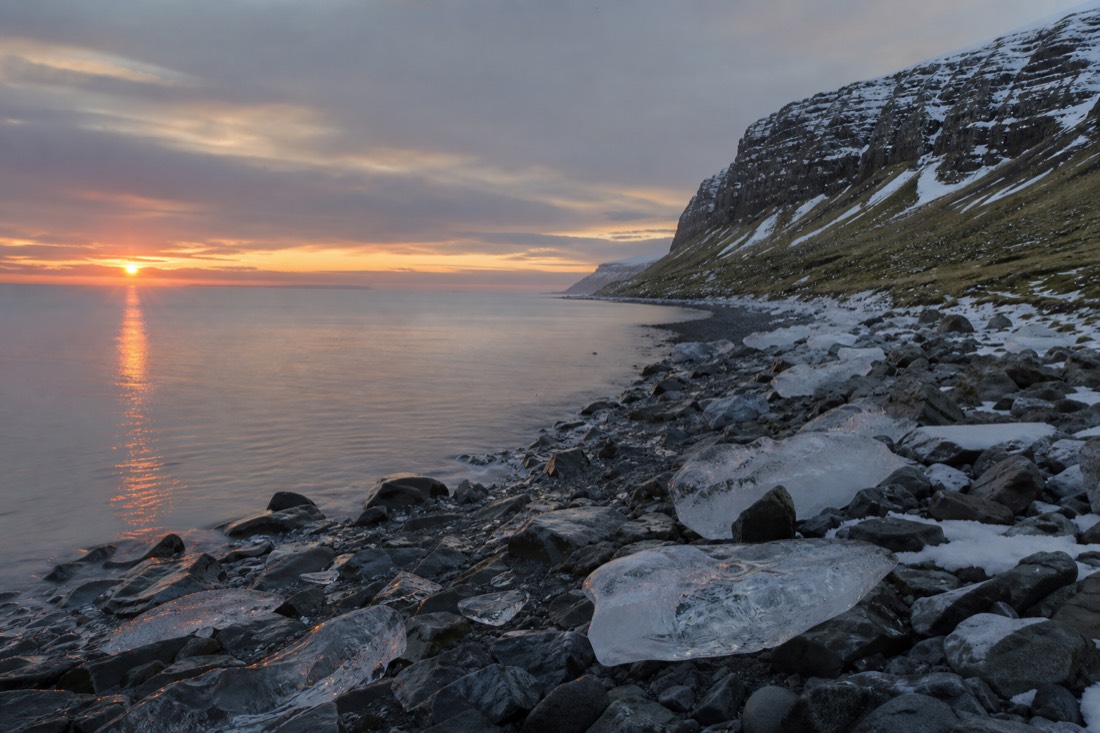
My honest position, as somebody who works the dark months: if this is your only Iceland trip and you want to see the country, come in summer. If you are coming for a specific experience rather than for scenery, come in winter, and the case for that is set out in full in whether Iceland is worth visiting in winter.
Whale watching, incidentally, is the one thing that ignores this whole argument. The Reykjavík boats sail all year, so whale watching tours belong on either itinerary, with different species showing up in each half of the calendar.
If you do come in the dark half, the quiet corners that are actually reachable are not the ones the listicles keep recycling, which is what I get into in hidden gems in Iceland in winter.
And whichever you choose, the mistakes I watch visitors repeat are the same ones every year, collected in what I wish I had known before my first Icelandic winter. I have spent enough dark months on these roads to have opinions about all of it, and where those opinions come from is on the record.
Jökulsárlón: Vatnajökull Ice Cave Guided Tour
Whichever list won, book its anchor early: the cave before you fly if winter is the answer, and the aurora night for your first evening if the sky is the reason. Both cancel free up to 24 hours out, which is the slack a seasonal decision deserves.
2.5 to 3 hours · English
Check travel dates with GetYourGuide below.
None of these experiences matches that choice. Adjust your preference or reset to the general recommendation.
Compare Options And Plan Your Trip
- The winter exclusives
- Ice caves and aurora, physics-gated to the cold half.
- The dark sky above all
- The most-reviewed aurora run with a free retry night.
- Cover ground in daylight
- The full coast day in March's 11.5 hours.
- The either-season constant
- Reykjavík boats sail all year with different species.
- A glacier interior in any month
- The man-made tunnel, July and January alike.
Before Booking