Reykjavík When Your Tour Gets Called Off
You have four hours of daylight, a gale outside and a refund pending. The Reykjavík plan-B day that locals actually use, and the two tours that still run.
 By Björn Einarsson, Icelandic guide & winter tour specialist
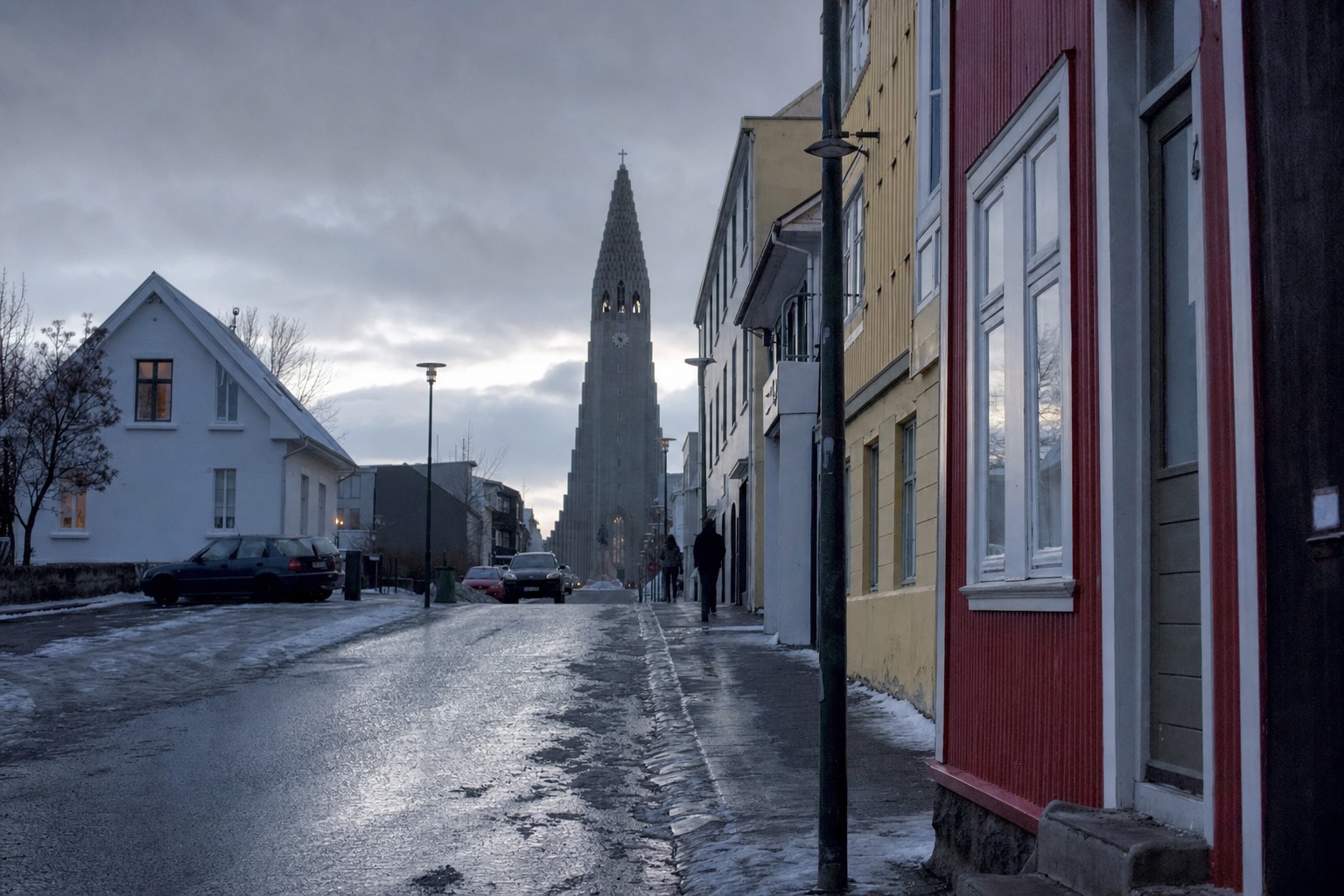
Eight in the morning, a hotel lobby on Skólavörðustígur, eleven people in waterproofs holding a message that says their day tour has been cancelled. Outside, the wind is throwing rain up the street rather than down it. Somebody asks the receptionist what there is to do in Reykjavík, and the honest answer is: more than you think, but not what you had planned.
TL;DR: a cancelled day is not a wasted one. The two things that most often still run are the whale boats out of the Old Harbour and the lagoon transfers on the Reykjanes side. In the city itself, four hours of usable daylight goes further on foot than people expect, and the local answer to filthy weather has always been to get into hot water and stay there.
What should you not miss in Reykjavík on a day like this?
Three things carry a bad-weather day: a neighbourhood swimming pool, one good indoor hour at Hallgrímskirkja or Harpa, and a proper meal you were not planning to eat. Everything else is optional. The city is small enough that you can walk between all of them in a gale, and short enough on daylight that you should.
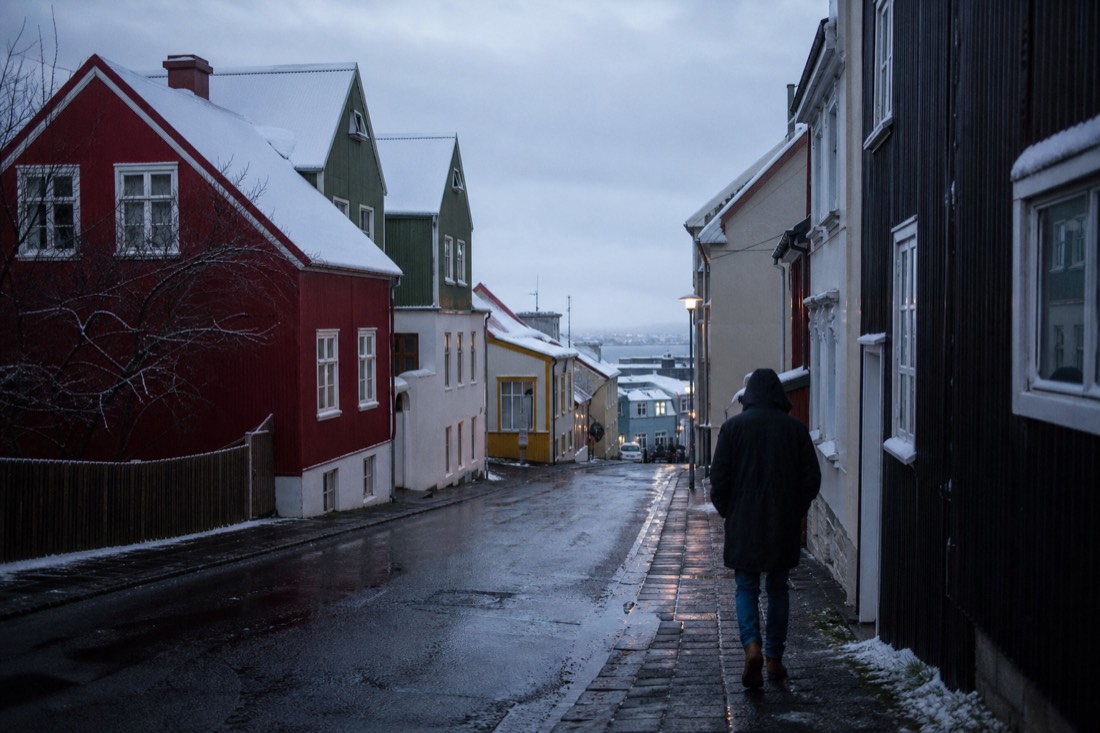
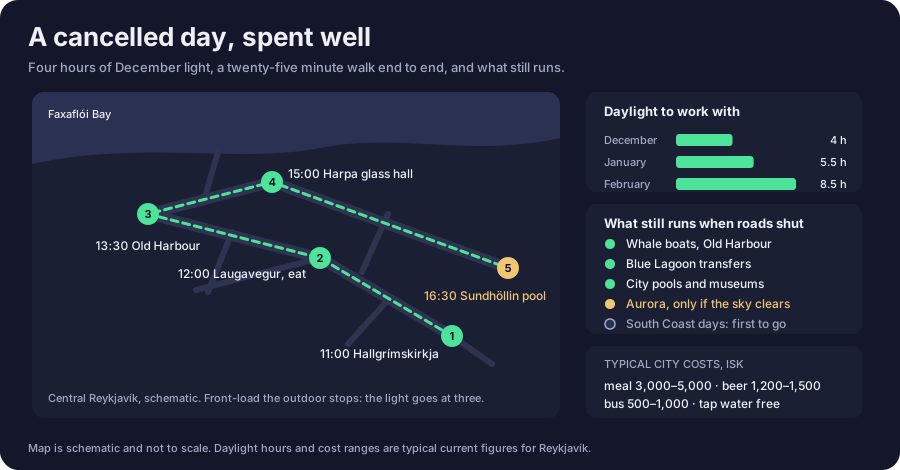
Reykjavík is a compact place. The stretch from Hallgrímskirkja down Skólavörðustígur to Laugavegur and out to the harbour is a twenty-five minute walk end to end, and every indoor thing worth doing sits on or near that line. That matters when the wind is up, because it means you are never more than a few minutes from a door.
The mistake is trying to replicate the tour you lost. You cannot see a glacier from the city, and driving out to half-substitute one in bad conditions is exactly the decision the operator just declined to make on your behalf. Take the day the city offers instead.
What still runs when the roads shut?
The Old Harbour whale boats and the geothermal lagoons on the Reykjanes side, most of the time. They are close, they do not depend on Route 1 being open, and the lagoons are indifferent to weather. Boats are the exception in a genuine sea storm, when the harbour stands down too.
| Activity | Usually runs in bad weather? | Why |
|---|---|---|
| Whale watching, Old Harbour | Often, unless the sea is bad | Three hours, departs from the city itself |
| Blue Lagoon with transfers | Usually | Short transfer, and the water does not care about wind |
| Sky Lagoon | Usually | Even closer to town |
| City pools and museums | Always | Indoors or geothermally heated |
| Raufarhólshellir lava tunnel | Almost always | Underground, half an hour from the city, year-round |
| South Coast and glacier days | First to be cancelled | Long exposed drives east |
| Northern lights | Weather-dependent by definition | You need a clear sky, not just an open road |
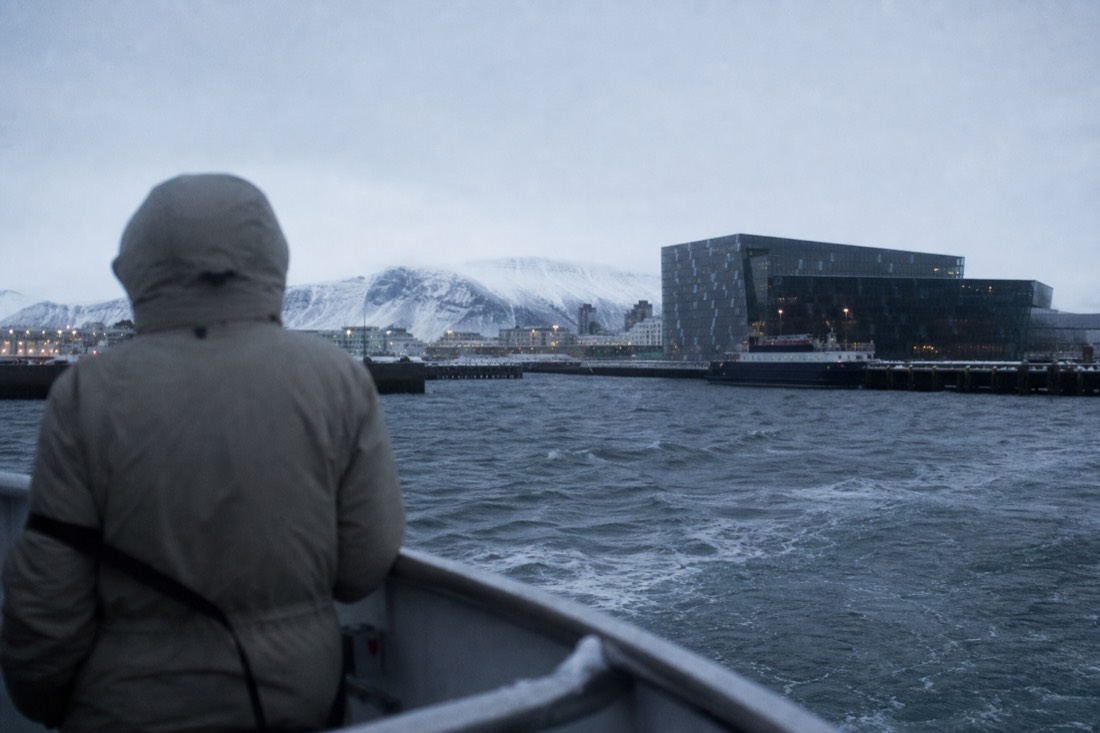
Whale watching from the Old Harbour runs all year in Faxaflói Bay, which surprises people who assume it is a summer thing. It is three hours, it leaves from a ten-minute walk from most of the city centre, and it is genuinely cold on deck, so wear everything. The whale watching tours category rates 4.4 across 7,181 reviews, and the Elding classic at 4.6 across 2,865 Viator reviews is available to check for your dates on Viator.
The other one worth knowing about is underground. Raufarhólshellir, the lava tunnel about half an hour east of the city, runs year-round and does not care what the sky is doing, which makes it the closest thing Iceland has to a weather-proof excursion; check the tour and its dates here if your morning has just been cancelled. It is a separate booking from anything on the main tour pages, and at 4.8 across 2,595 reviews it is better rated than most of what it is replacing.
How do you use four hours of daylight in a gale?
Front-load the outdoor bits. In December you get about 4 hours of usable light, and in January about 5.5, so put the walk, the church tower and the harbour into the light and save the museum and the pool for the dark. Reversing that order wastes the only bright hours you have.
| Roughly when | Do this | Why then |
|---|---|---|
| 11:00 to 12:00 | Hallgrímskirkja and the tower view | The light is at its best just after it arrives |
| 12:00 to 13:30 | Walk Skólavörðustígur and Laugavegur, eat | Shops and cafés are shelter as much as attraction |
| 13:30 to 15:00 | Old Harbour, Sun Voyager, the sea air | Still light, and this is where the boats go from |
| 15:00 to 16:30 | A museum, or Harpa's glass hall | The light is going anyway |
| 16:30 onwards | Swimming pool, then dinner | This is the local sequence, in that order |
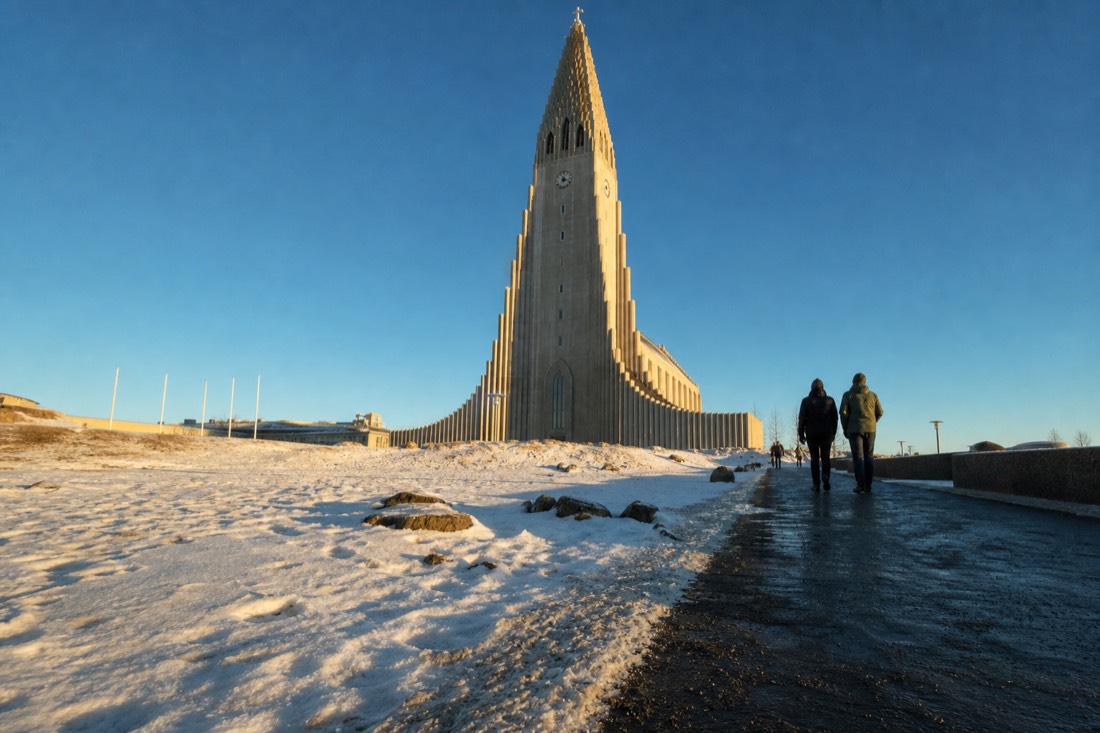
Harpa is the reliable one on a wet afternoon. You can walk into the foyer without a ticket to anything and stand inside that glass honeycomb while the harbour weather goes sideways outside, and it costs nothing. Kolaportið, the weekend flea market, works the same way if your cancelled day happens to be a Saturday or Sunday.
Where do Icelanders actually go when the weather is foul?
To the pool. Every neighbourhood has a geothermally heated outdoor pool with hot tubs at different temperatures, they open early and close late, and a bus fare or a short walk gets you there. Sitting in 40°C water while sleet lands on your head is not endurance, it is the point.
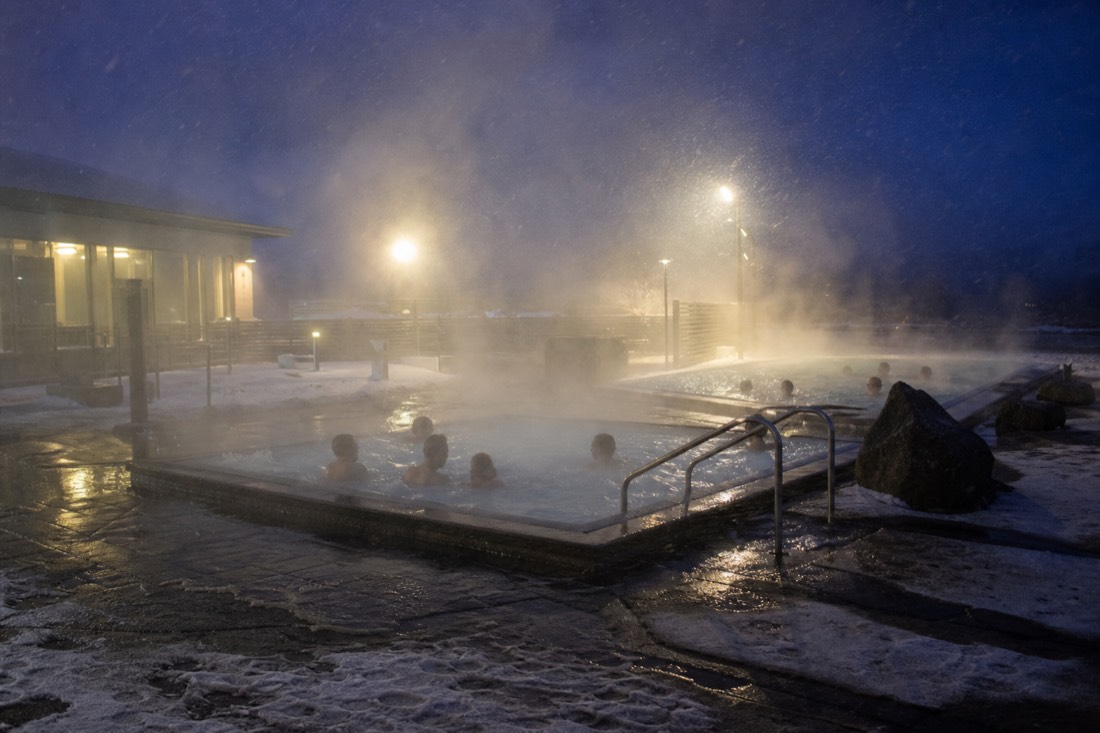
This is the single most underrated thing in the city and the cheapest. Entry is a few hundred krónur rather than a lagoon ticket, the water is the same geothermal supply, and it is where locals actually are. Laugardalslaug is the big one with the most tubs. Sundhöllin is the handsome old indoor and outdoor one in the centre.
Learn the shower rule before you go: you wash thoroughly, without a swimsuit, before entering the water. It is not negotiable, the signs are explicit, and getting it wrong is the fastest way to be told off by a grandmother in your holiday.
If you want the lagoon version rather than the neighbourhood version, the Blue Lagoon tours rate 4.6 across 9,299 reviews, and the ICELANDIA admission with transfers at 4.6 across 5,072 GetYourGuide reviews is worth checking for the same afternoon, though note it needs two days' notice to cancel rather than the usual 24 hours.
Is the volcanic activity a problem for a city day?
No. The Reykjanes eruptions since December 2023 have been south-west of the city, none has closed Keflavík airport, and Reykjavík itself has never been under threat. The practical effect on a visitor is occasional precautionary closures at the Blue Lagoon, which are announced rather than discovered on arrival.
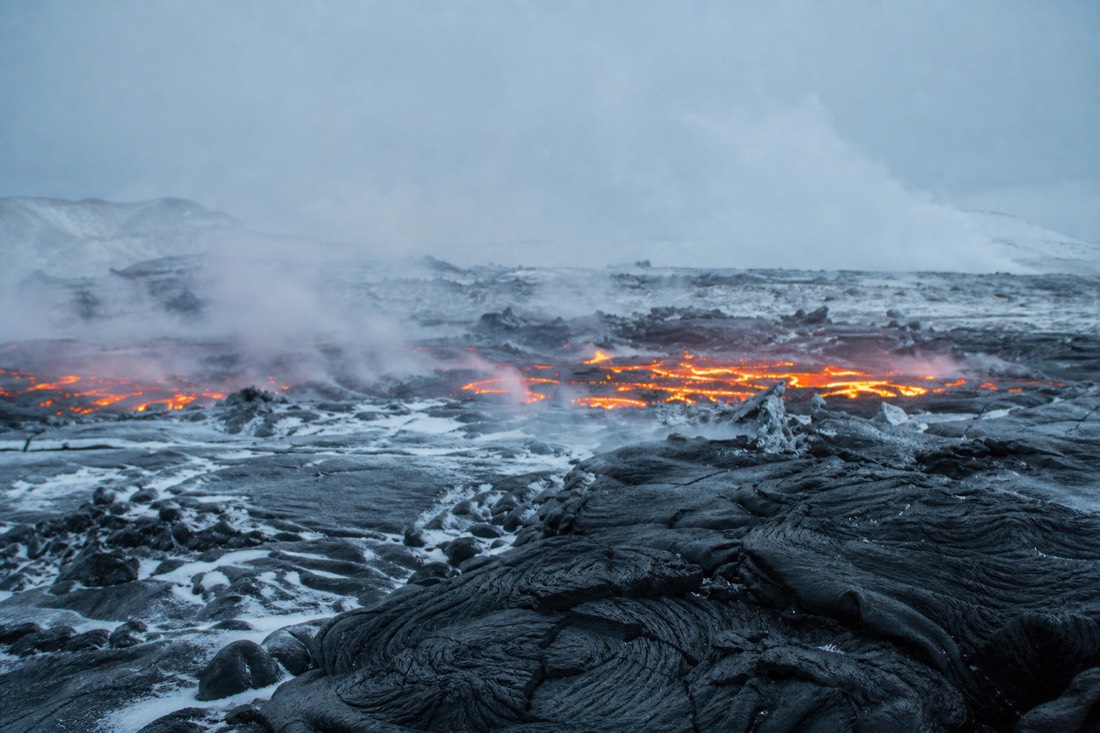
Check two pages before you set off, not ten. The official Reykjanes eruption status from safetravel.is is the authoritative one, and the Blue Lagoon's own seismic activity page says whether it is open today. Everything else you will read is somebody quoting one of those two, badly.
There is no viewing tour to book on a whim, and eruption sites are closed to the public when they are active. Anyone offering you a same-day trip to see lava is selling a walk to a hillside where you will see steam at best.
What does a plan-B day cost?
Less than the tour you lost, if you keep it local. A restaurant meal runs roughly 3,000 to 5,000 ISK, a beer roughly 1,200 to 1,500, and a bus fare roughly 500 to 1,000. A neighbourhood pool costs a fraction of a lagoon ticket and gives you the same water.
| Item | Rough range | Note |
|---|---|---|
| Restaurant meal | 3,000 to 5,000 ISK | Lunch menus are much cheaper than dinner |
| Beer | 1,200 to 1,500 ISK | Happy hours are a genuine local sport |
| City bus fare | 500 to 1,000 ISK | Cards accepted, no need for coins |
| Tap water | Free | Excellent, and bottled water here is a con |
| Tipping | Not expected | Service is included, nobody is offended |
Two spending notes that save real money. Tap water is superb, so refuse the bottle. And tipping is not part of the culture, so the number on the bill is the number you pay.
Which indoor places actually fill an afternoon?
Four or five carry the whole city. Hallgrímskirkja's tower for the view, Harpa's glass hall for nothing at all, the Settlement Exhibition for the Viking-age longhouse under the street, Perlan for the dome and the view over the bay, and one art or history museum depending on your mood. Allow ninety minutes each and you have a day.
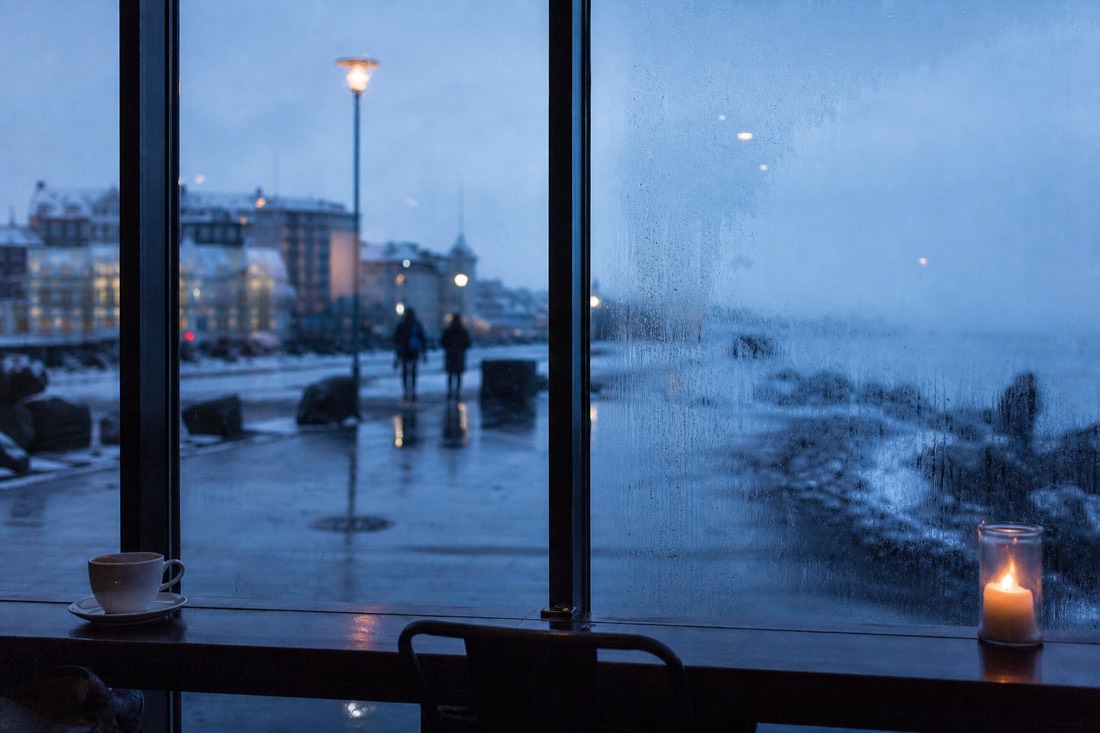
The mistake is trying to do all of them. Four hours of daylight and a gale is not the day to speed-run a city, and Reykjavík punishes that approach anyway, because half the pleasure of the place is sitting somewhere warm with a coffee watching the weather fail to get in. Pick two, walk between them slowly, stop when you see a bakery.
| Where | What it actually is | Roughly how long to allow | Why it works in a gale |
|---|---|---|---|
| Hallgrímskirkja tower | A lift up the church tower to a view over the coloured roofs | Allow 45 minutes with the queue | The one outdoor view that is indoors |
| Harpa | Concert hall with a glass honeycomb foyer, open to walk into | Allow 30 minutes | Costs nothing, and the weather looks better through glass |
| The Settlement Exhibition | Excavated Viking-age longhouse remains, preserved in situ below street level | Allow an hour | Underground, central, and genuinely surprising |
| National Museum of Iceland | The long version of the country's story, in one building | Allow 2 hours | The most content per wet hour in the city |
| Perlan | Glass dome on the hill with an observation deck and exhibitions | Allow 2 hours | Views without standing outside in them |
| Kolaportið | Weekend flea market in a harbourside hall | Allow an hour | Warm, chaotic, and only there at weekends |
If you have children with you, the ordering changes completely, and the version of the city day that works for them is set out in Iceland with kids in winter.
How does a neighbourhood pool actually work?
Shoes off at the door, pay at the desk, undress completely, wash with soap and no swimsuit at the marked spots, and only then put your costume on and go out. The water outside is heated geothermally, the hot tubs run at different temperatures, and the sleet landing on your head is part of it.
The shower rule is the whole cultural test and it is not negotiable. Icelandic pools carry very little chlorine compared with what most visitors are used to, and the reason they can is that everybody washes properly first. There are diagrams on the wall showing which parts of you the attendant expects to have been washed. Read them, do it, and nobody will look at you twice.
| The step | What you do | What gets you told off |
|---|---|---|
| At the door | Shoes off and into the rack before anything else | Walking through in outdoor boots |
| At the desk | Pay, take a locker key or wristband | Nothing, this bit is easy |
| Changing room | Undress fully, leave the swimsuit off for now | Trying to keep it on out of shyness |
| The showers | Wash with soap, no costume, at the marked areas | A quick rinse in your swimsuit, which everybody notices |
| Into the water | Costume on, then straight out to the pool | Wandering back through the dry area |
| The hot tubs | Work up the temperatures, sit, say nothing, stay a while | Loud phone calls. Phones in general, really |
Then the actual point of it, which is not swimming. The hot tubs are where Icelanders talk, and where the weather stops mattering entirely. Sitting in hot water with sleet coming in sideways is the single most local thing a visitor can do on a cancelled day, and it costs a fraction of a lagoon ticket. If you want the polished version anyway, the Blue Lagoon tours page has the transfers and the terms.
What should you eat on a day like this?
Soup, mostly. Kjötsúpa, the lamb and root vegetable soup, is the traditional answer to bad weather, and plokkfiskur, mashed fish with potato and butter on dark rye, is the other one. A hot dog from a stand is the cheap classic. Lunch menus are far kinder than dinner prices.
Icelandic food has a reputation problem built almost entirely on things nobody actually eats, and a cancelled day is a good chance to find out what the country really lives on in February. It is not fermented shark. It is soup, bread, fish, lamb, and an enormous amount of coffee.
| What to eat | What it is | When it works |
|---|---|---|
| Kjötsúpa | Lamb and root vegetable soup, often with bread and refills | Straight after you come in from the wind |
| Plokkfiskur | Mashed fish with potato and butter, served on dark rye | A proper sit-down lunch, and the most Icelandic thing on most menus |
| Pylsa | A hot dog with crispy onion, raw onion and remoulade, from a stand | Between two indoor stops, eaten standing up |
| Rye bread and butter | Dense, dark, faintly sweet, baked slowly | With anything, and it will appear whether you ordered it or not |
| A snúður and coffee | Cinnamon roll with chocolate on top, from any bakery | Mid-afternoon, when the light goes and morale follows |
| Happy hour | A local sport with its own apps and timetables | Late afternoon, before the dinner prices arrive |
Two habits that save money without trying. Drink the tap water, which is excellent and free, and eat your main meal at lunch rather than dinner. The cost ranges in the table further up this page are for the sit-down version, and a bakery and a soup will come in well under them.
What is genuinely walkable when the wind is up?
The central spine is, and not much else. Hallgrímskirkja down to Laugavegur and out to the Old Harbour is continuous shopfronts and doorways, so you are never far from shelter. The shore path, Perlan and the big pool at Laugardalur are all exposed, and in a real gale they are bus journeys.
Reykjavík is small enough to walk and windy enough to make you regret it, and the two facts pull against each other on exactly this kind of day. What matters is not the distance but whether there is anything to hide behind, which is why the shopping streets feel fine in weather that makes the harbourfront unpleasant.
| The route | Allow | What shelter there is |
|---|---|---|
| Hallgrímskirkja down Skólavörðustígur | Allow 15 minutes, more with stops | Shopfronts the whole way, doors every few metres |
| Skólavörðustígur to the far end of Laugavegur | Allow 15 minutes | Continuous, and the busiest part of town |
| Laugavegur to the Old Harbour | Allow 15 minutes | Fine until the last stretch, which opens to the water |
| The shore path past the Sun Voyager | Allow 20 minutes | None at all. Lovely in calm, brutal in wind |
| The centre to Sundhöllin | Allow 10 minutes | Short, uphill, mostly sheltered |
| The centre to Laugardalslaug or Perlan | Take the bus | Too far and too open to walk in weather |
One local habit worth copying: dress as though you are going outside for an hour even if you plan to be out for ten minutes. Everyone I know keeps a hat in a coat pocket from October onwards, because the Reykjavík wind does not build up gradually, it simply starts. What that means for the rest of your kit is covered in what to pack for Iceland in winter, and the reason locals never wear denim on a day like this is in why nobody wears jeans in Iceland.
How do you rebook without wrecking the rest of the trip?
Rebook the same evening rather than the next morning, and move the cancelled tour forward rather than back. Everyone who lost today is booking tomorrow tonight, and popular winter departures do sell out, so being three hours quicker than the crowd genuinely matters.
If your itinerary has no spare day left to move into, that is the planning lesson rather than the weather's fault, and it is the argument made at length in the day the weather cancelled everything. The broader version of the same lesson sits in what I wish I knew before my first Iceland winter.
A cancelled day is also the moment to check whether you are dressed for the rest of the week, because most people discover their coat is wrong on exactly this kind of morning. The wet-denim version of that discovery is in why nobody wears jeans in Iceland, and how little light you are working with each day is set out in the Iceland daylight hours guide.
If the aurora is what got cancelled rather than the day tour, the retry rules are different and usually in your favour, which the northern lights tours page explains alongside the departures themselves. And the questions people send us most often after a cancellation are answered on the FAQ page.
The Original Classic Whale Watching from Reykjavik
Before the cancelled morning arranges itself into a lobby, check the boat and the lagoon slot: both run when the coast does not, and both are bookable at short notice with free cancellation up to 24 hours out.
3h · en · Hotel pickup offered; details on the listing
Scheduled departure dates. Availability and final price are confirmed on Viator.
None of these experiences matches that choice. Adjust your preference or reset to the general recommendation.
Compare Options And Plan Your Trip
- The harbour boat
- Three hours from the Old Harbour, year-round.
- The weather-proof tunnel
- Underground, half an hour out, 4.8 across 2,595 reviews.
- A lagoon afternoon
- Closest lagoon to town, indifferent to weather.
- The ritual upgrade
- The 7-step ritual version with transfers.
- The other boat
- Special Tours' run at 4.3 across 2,483 reviews.
Before Booking
Wheelchair accessible Wheelchair users are welcome to bring a light-weight chair on board our larger boats. If possible, please notify us of your arrival in advance, as assistance with boarding may be required. Not included: Food and drinks; Hotel pickup and drop-off