Iceland With Kids in Winter: What Actually Works
About 4 hours of daylight in December and 10 to 12 hour bus days. Which winter tours work with children, which do not, and what happens when one gets cancelled.
 By Björn Einarsson, Icelandic guide & winter tour specialist
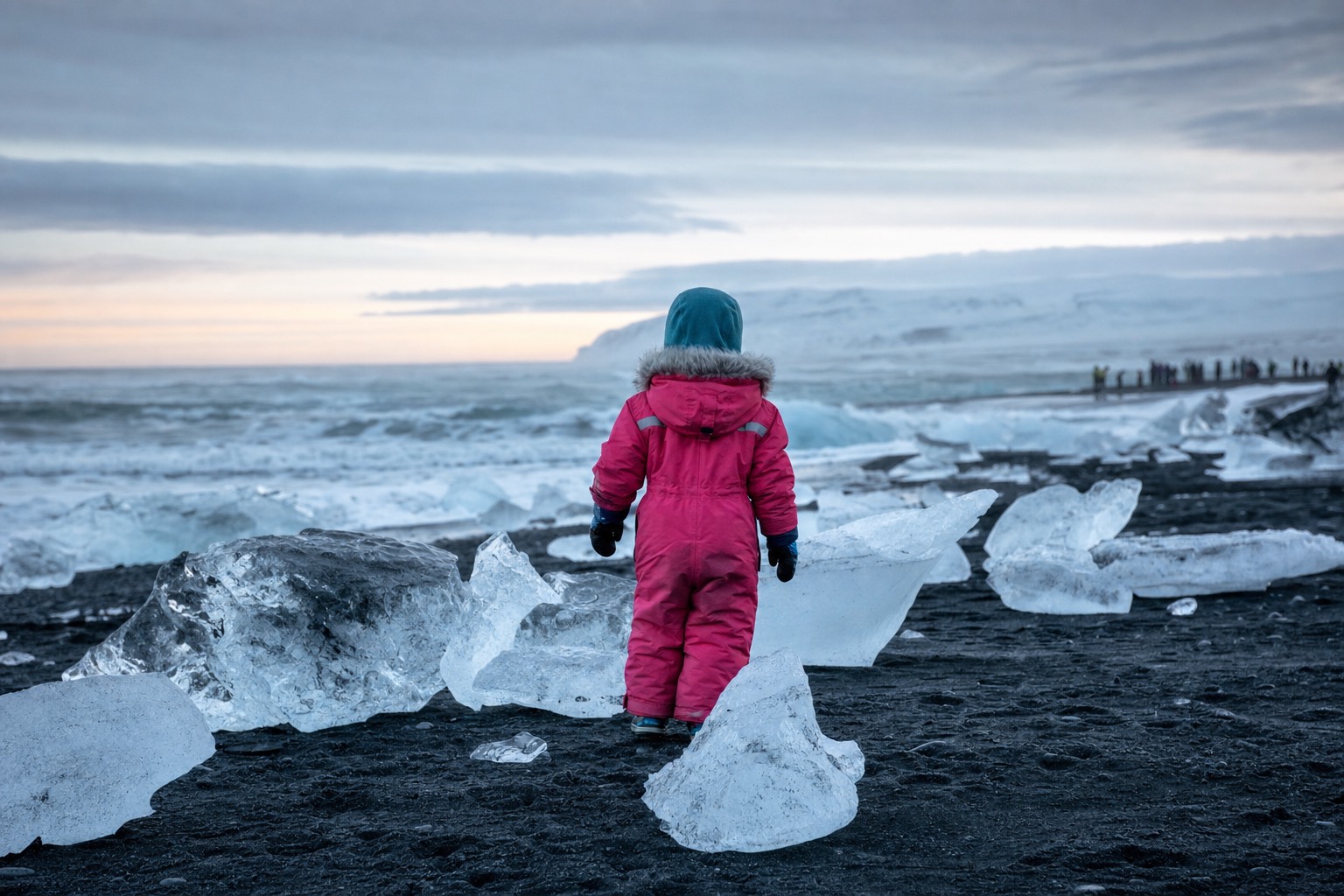
A father walked past me in the car park at Skógafoss in January carrying a six-year-old under one arm like a rolled carpet, both of them soaked, the child furious. They had been on the road since half seven that morning. It was quarter past two, the light was already going flat, and they still had four hours of coach ahead of them. Nothing had gone wrong. That was just the day they had booked.
TL;DR: Iceland in winter works with children, but only if you plan around two hard numbers: about four hours of daylight at the December solstice, rising to five and a half in January, and day tours that run ten to twelve hours door to door. Short tours beat long ones. Reykjavík itself is a better base for a family than a fast-moving itinerary. And a cancelled tour with a bored child in a hotel is a genuinely different problem to a cancelled tour on your own, so build the trip with slack in it.
Is Iceland in winter a good trip with children?
Yes, if you cut the itinerary roughly in half from what an adult couple would book. The country is safe, the food is easy, the tap water is excellent and cards work everywhere. What breaks family trips here is not cold or danger, it is distance and darkness stacked into days that are simply too long for a child.
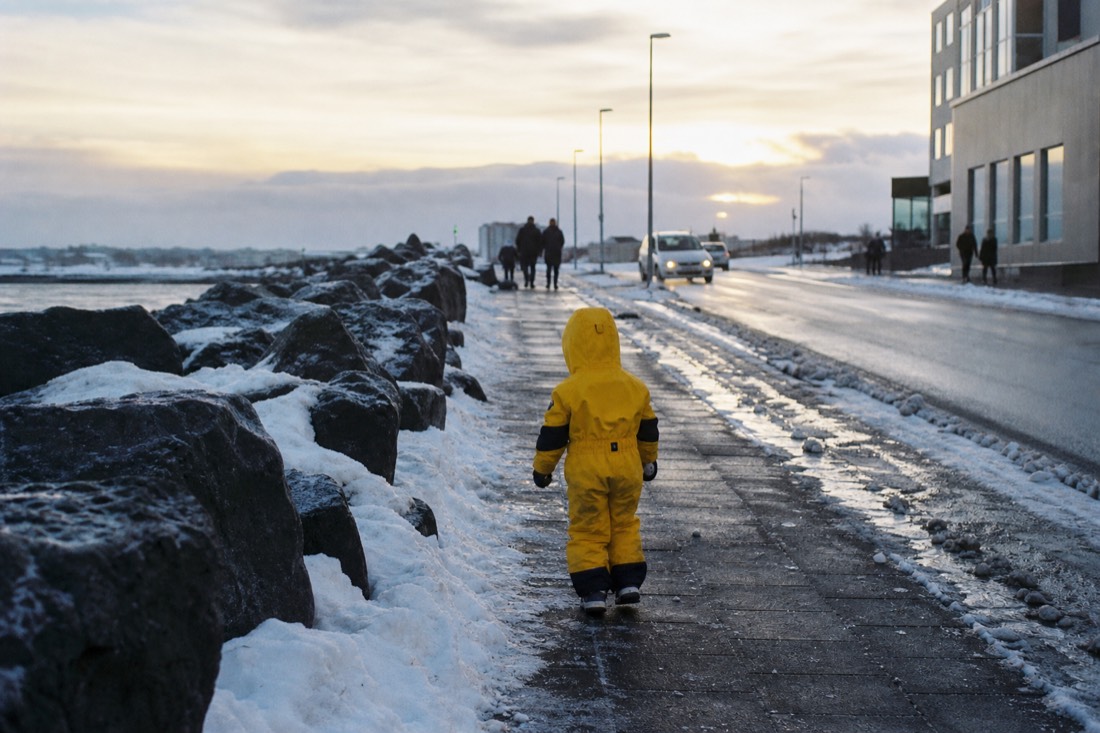
I have watched a lot of families do this well and a fair number do it badly, and the difference is almost never money. It is the number of hours between leaving the hotel and getting back to it. A child who has had a good three-hour morning out will do it again tomorrow. Eleven hours on a coach costs you the next two days as well, and then you have lost the trip rather than the day.
Winter also gives you things summer cannot. Snow on a black beach. A frozen waterfall. The possibility of an aurora, which is the sort of thing a nine-year-old remembers for thirty years. The broader case for the season is in Iceland winter versus summer.
The one thing I would say plainly: this is not a cheap family destination. A hotel night in Reykjavík runs roughly 25,000 to 40,000 ISK, a restaurant meal roughly 3,000 to 5,000 ISK per person, and Iceland reintroduced an accommodation tax in 2024. Budget honestly before you book the flights.
What does four hours of daylight do to a family day?
It compresses everything. In December Reykjavík gets about 4 hours of usable light, in January about 5.5, in February about 8.5. A tour that leaves at 08:00 spends its first hours in darkness, gets you to the good stops around the middle of the day, and comes home in the dark. Plan one outdoor thing per day, not three.
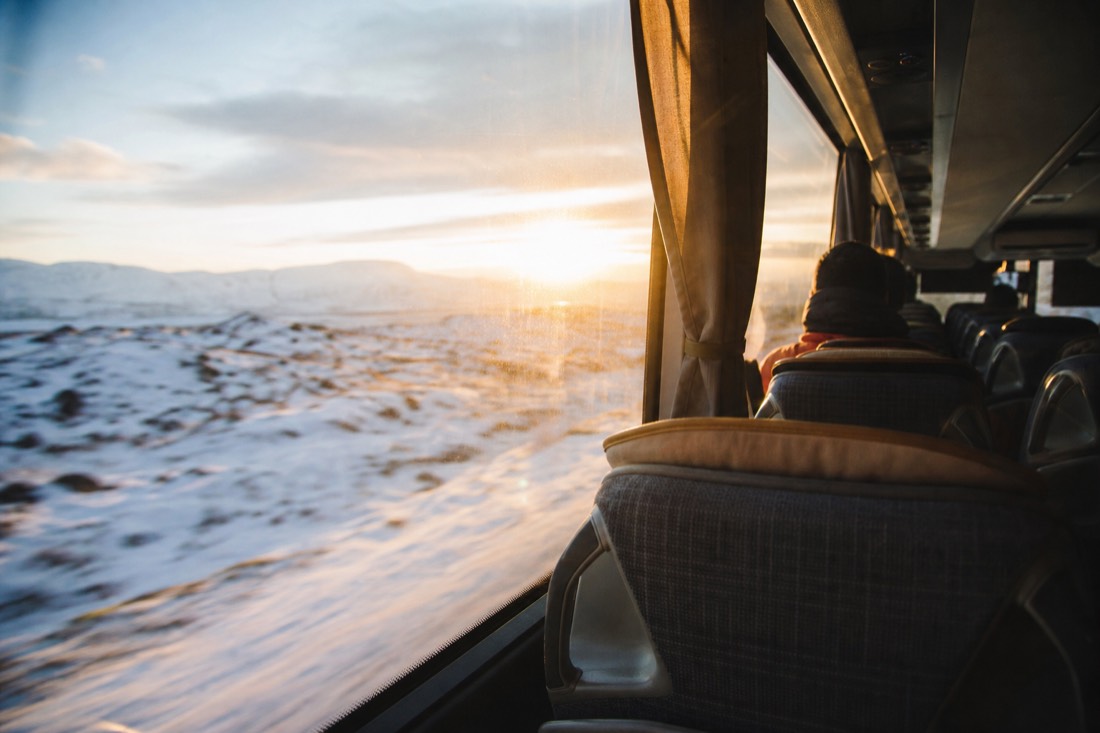
Everything worth photographing happens in a narrow window, so tour timings cluster hard around it. Fine for adults. With children it means the exciting part of the day is bracketed by long dark stretches on a bus, which is where the meltdowns live.
| Time | On a standard winter day tour | With a child |
|---|---|---|
| 07:30 to 08:30 | Hotel pickup loop, still fully dark | Breakfast is rushed. Bring it with you |
| 08:30 to 10:30 | Driving out, dark then half-light | The one stretch where a tablet earns its keep |
| 10:30 to 14:30 | The actual stops, in real daylight | This is the whole trip. Four hours of it |
| 14:30 to 15:30 | Light going, last stop | Energy is gone. Expect it, do not fight it |
| 15:30 to 18:30 | Long drive back in darkness | Sleep if you are lucky, meltdown if you are not |
Two conclusions follow. Book the shortest tour that covers what you want, and do the ambitious thing on your first full day rather than your third, while everyone still has the energy for it. The month you choose matters too, which is laid out properly in Iceland daylight hours in winter. February with children is a noticeably easier trip than December with children.
Which winter tours actually work with children?
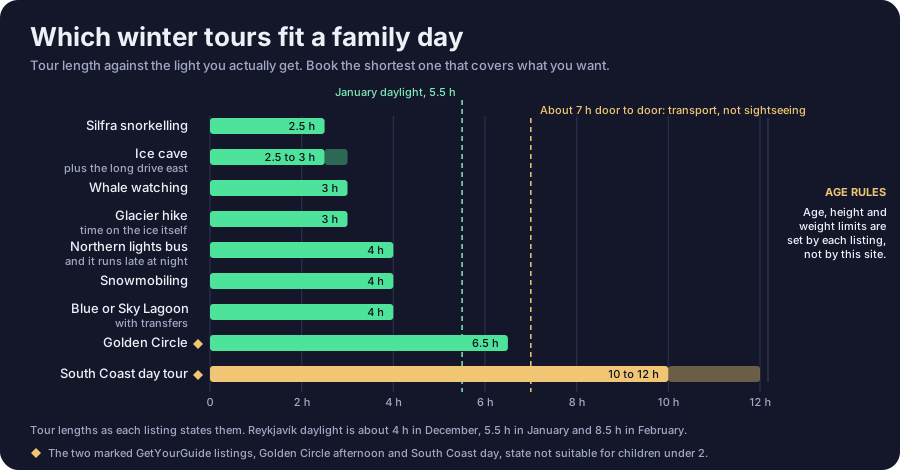
Short ones, near Reykjavík, with a vehicle you can get back into. The Golden Circle at about six and a half hours is the longest I would attempt with a young child. Whale watching at about three hours works well if nobody gets seasick. Ten to twelve hour South Coast days and glacier activities are where families come unstuck.
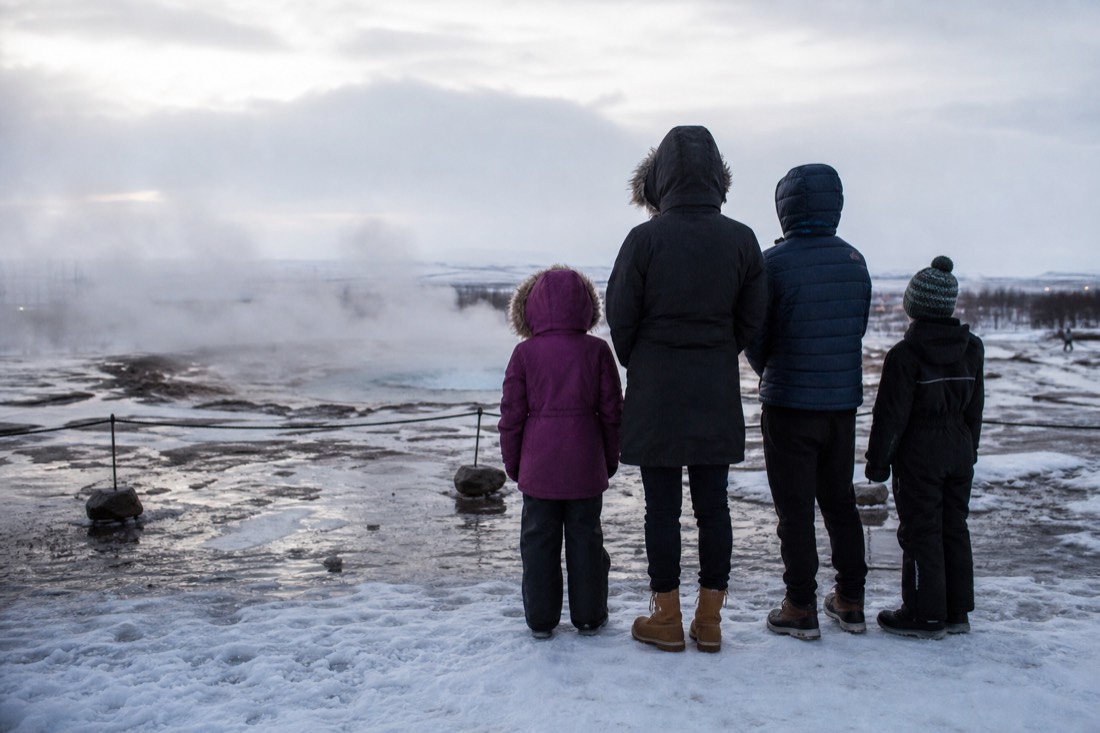
The pattern is not about danger. Icelandic operators are careful and the guides are trained. It is about duration and about how much of the experience a child can actually participate in. Standing on a glacier in crampons is thrilling for a twelve-year-old and meaningless misery for a four-year-old in the same wind.
| Tour type | Typical length | Honest verdict with children |
|---|---|---|
| Golden Circle | About 6.5 h | The best big day out for families. Three stops, real variety |
| Whale watching | About 3 h | Short and genuinely exciting. Winter seas can be rough |
| Blue Lagoon or Sky Lagoon | About 4 h with transfers | Works well, but the operator sets its own age rules. Check them |
| Northern lights bus | About 4 h, late at night | Depends entirely on your child. It is cold standing still, and late |
| South Coast day tour | 10 to 12 h | Long. Doable with older children, hard with under-sevens |
| Glacier hike | About 3 h on the ice | The listing sets the minimum age. Not a toddler activity |
| Ice cave | 2.5 to 3 h, plus a long drive east | The drive, not the cave, is the problem for young children |
| Snowmobiling | About 4 h | The listing sets minimum age and whether a child can ride pillion |
| Silfra snorkelling | About 2.5 h | Drysuit diving in cold water. The listing sets the age limit |
If you take one booking decision from this article, make it the Golden Circle. It is the shortest of the big winter day tours, the three stops are different enough to hold attention, and the whole Golden Circle tours category sits at 4.6 across 9,939 reviews. The Gray Line classic version runs about six and a half hours at 4.5 across 5,583 Viator reviews, and it is available to check for your dates on Viator. Whether it holds up in the snow is answered in is the Golden Circle worth it in winter.
What are the age rules, and where do you find them?
On the listing, always. Two of the GetYourGuide products we link, the Golden Circle afternoon tour and the South Coast day tour, state they are not suitable for children under 2. For everything else, the operator sets its own minimum age, height or weight, and that rule is written on the product page. Read it before you pay.
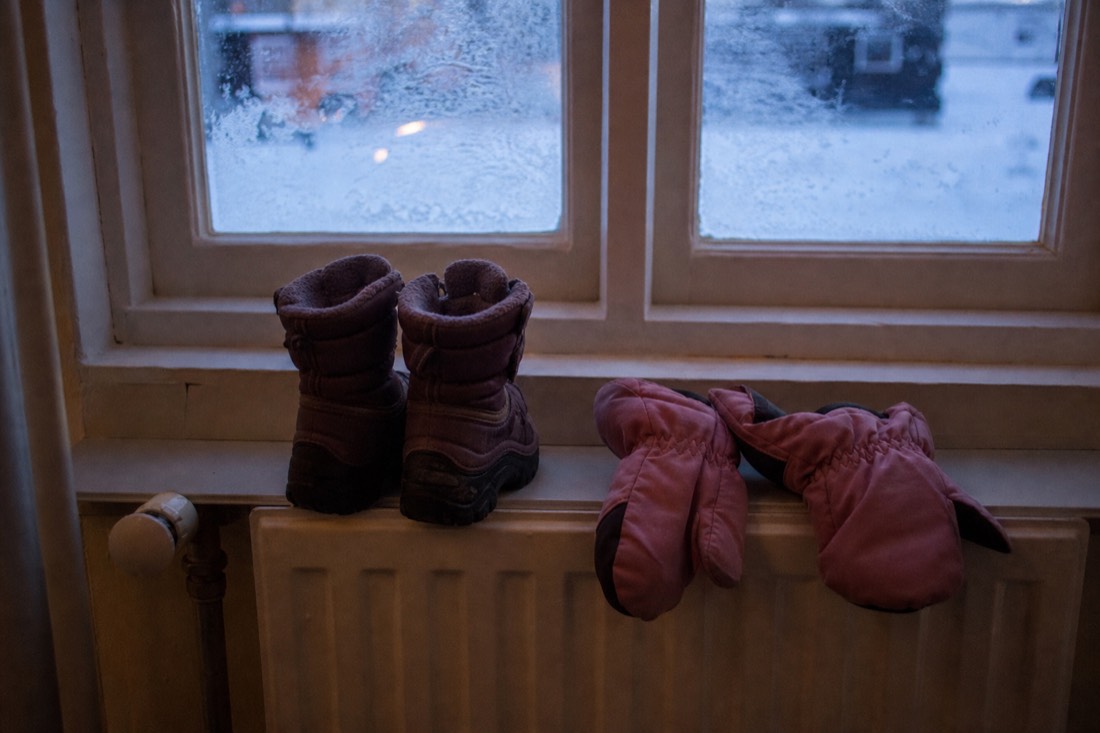
I am deliberately not giving you a table of age limits for glacier hikes, snowmobiles, ice caves and Silfra, and I want to explain why. Those limits are set per operator, they differ between companies running what looks like the same activity, and they change. A blog post that tells you "the minimum age for a glacier hike in Iceland is X" is either out of date or was never right for the company you are booking. The listing is the authority. The operator's own site is the backup.
What I can tell you is where restrictions usually come from, which helps you predict them. Equipment sizing is one: crampons, harnesses and drysuits come in adult sizes, and a child who cannot be fitted properly cannot be taken. On motorised activities, insurance and licensing set the rules rather than the guide.
So the process is simple. Shortlist the activity, open the listing, find the section on restrictions, and message the operator through the marketplace if it is ambiguous. Every listing we link allows free cancellation up to 24 hours before departure, with one exception noted on the FAQ page, so you have room to change your mind.
How long is too long on a bus?
Past about seven hours door to door, a winter day tour stops being sightseeing and becomes transport. The South Coast run is 10 to 12 hours with roughly four of those in daylight. Older children usually cope. Under about seven years old, it is a long day that ends badly more often than not.
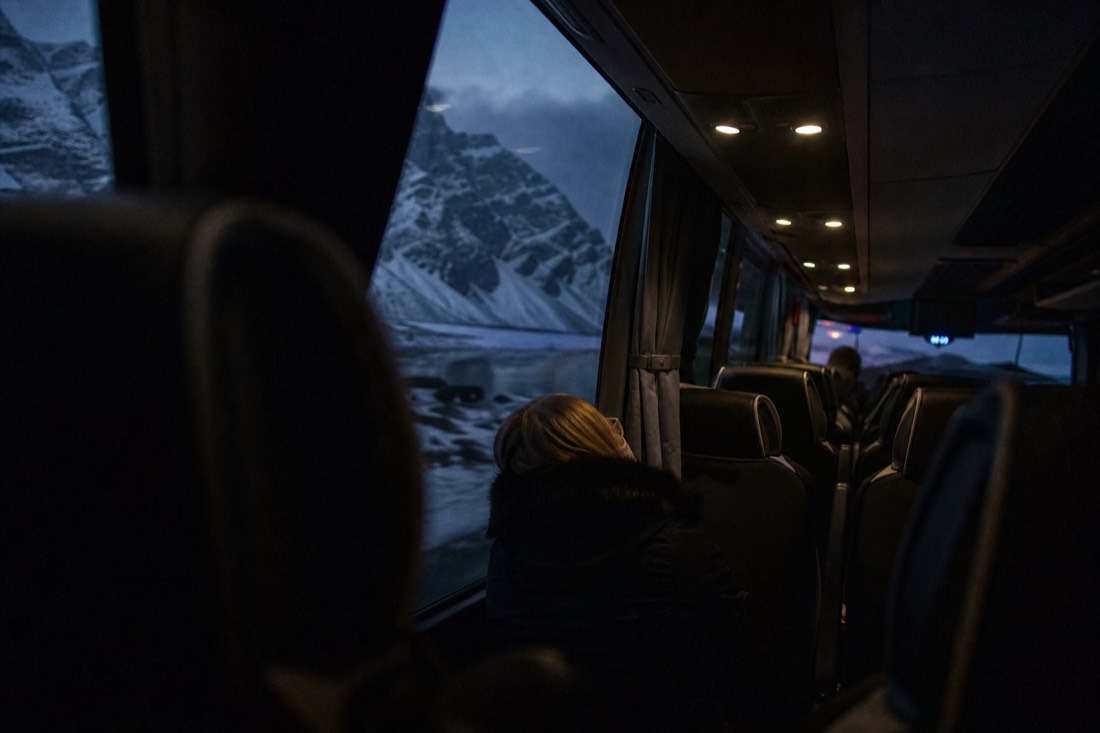
There is a fix, and it is not skipping the South Coast. It is sleeping out there. Once you stop returning to Reykjavík every night, the same route stops being a marathon: you drive a couple of hours, you stop, you sleep near the coast, and the next morning starts where yesterday finished. That is exactly what a two or three-day winter package is for, and it is the single change that most improves a family itinerary here. The category averages 4.8 across 1,146 reviews, which is the highest satisfaction score in our whole set.
If you are set on a Reykjavík base, the shorter runs are your friends. Whale watching out of the old harbour is about three hours and the boats are heated inside, so a child who has had enough can go and sit down. The whale watching tours category sits at 4.4 across 7,181 reviews, with Elding's classic trip at 4.6 across 2,865 Viator reviews. Winter seas are lumpy, so treat seasickness tablets as standard kit rather than an admission of weakness.
What happens when the weather cancels a tour?
Icelandic operators reschedule or refund their own weather cancellations, so you are not out of pocket. The problem is the other one: you now have a whole day, no plan, a child, and weather that is keeping you indoors. Solo travellers absorb that easily. Families need it planned in advance.
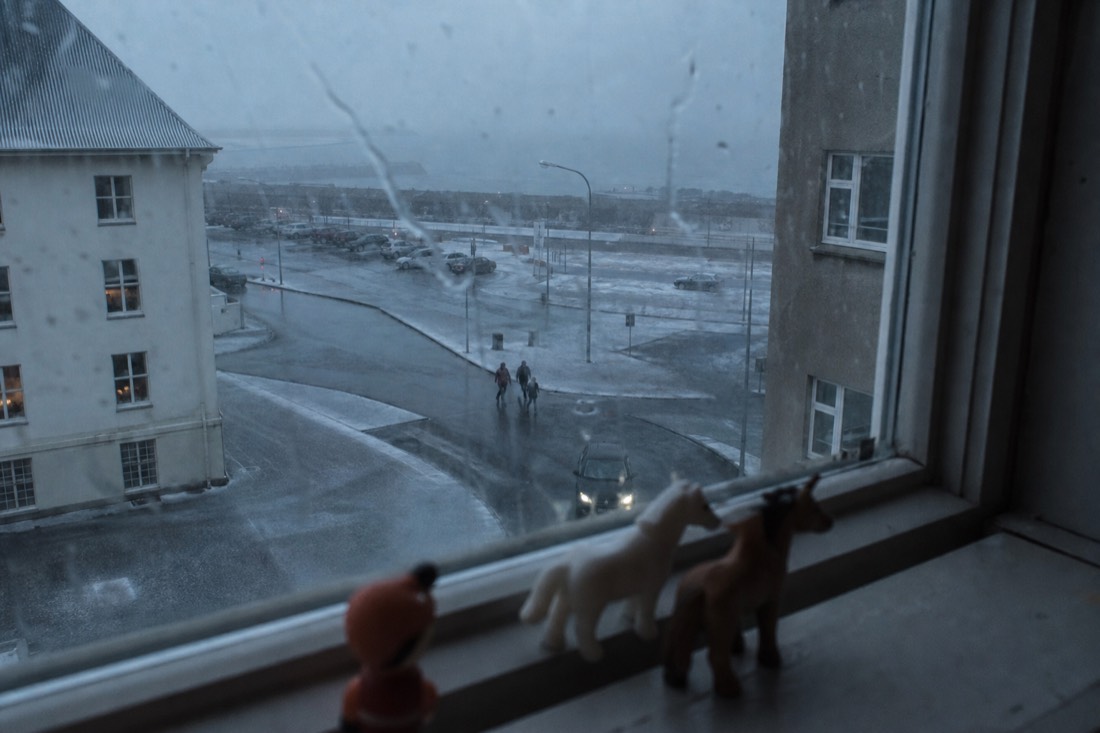
This is the part of family travel here that almost nobody writes about, and it is the reason I would tell any parent to book fewer things. A cancelled aurora night on your own means an early bed and a book. A cancelled day with two children in a hotel room in Reykjavík, with sleet on the window and nothing booked, is a real problem at hour three.
So have the wet-day list written before you arrive: the geothermal swimming pools, which is what Icelandic families actually do on days like that, the museums, the pool with the slide rather than the one without. There is a full version of that in Reykjavík when your tour gets called off, and what a genuinely bad weather day feels like from the inside is in the day the weather cancelled everything.
Check road.is yourself the night before and again at breakfast. If the roads east are closed at 08:00, no operator is going anywhere, and finding that out from your own phone rather than a cancellation email gives you a couple of hours to make a different plan.
What do children actually need to wear here?
Wool or synthetic base layer, a warm mid layer, a genuinely waterproof outer shell, waterproof boots, hat, gloves, and spares of everything. Cotton and denim are the failure mode. Iceland's problem is wind and wet, not deep cold: Reykjavík averages about 0.5°C in January.
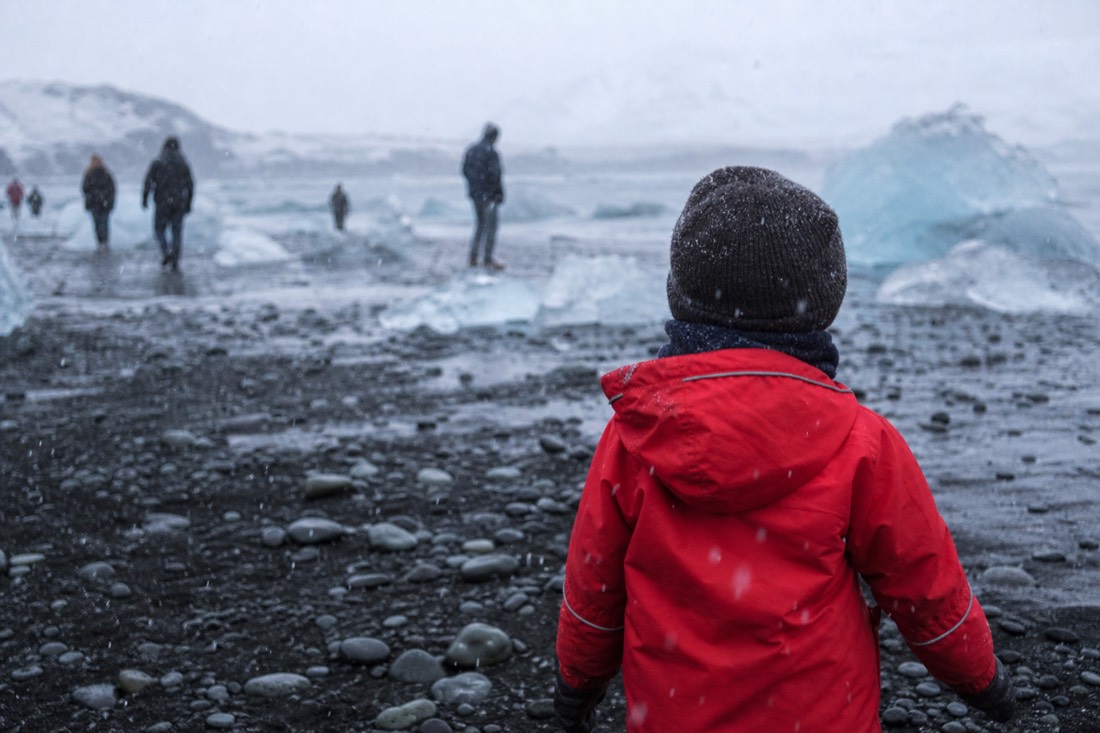
Children get cold faster than adults and complain earlier, which is useful information if you are listening. The universal mistake I see in car parks is a child in jeans, which soak up sleet, hold it against the skin and never dry. That argument gets made at length in why nobody wears jeans in Iceland, and it goes double for anyone under twelve.
| Item | Why it matters here | The common mistake |
|---|---|---|
| Wool or synthetic base layer | Keeps working when damp | Cotton vest under everything |
| Waterproof shell, hood attached | Wind-driven rain and sleet, not snow | A padded coat that is not waterproof |
| Waterproof boots with grip | Car parks are ice, not snow | Trainers, every single time |
| Hat and gloves, two pairs | One pair will get soaked at a waterfall | One pair, immediately lost |
| Full spare set in the day bag | You will use it | Spares left at the hotel |
| Snacks and a water bottle | Stops are short and shops are far apart | Relying on the petrol-station stop |
One more thing worth doing before you travel with children: install the free 112 Iceland app and read the official advice on safetravel.is. It takes ten minutes, it is what every Icelandic parent has on their phone, and it matters most on exactly the day you least expect to need it.
Which activities suit which age, roughly?
There is no national rule, so it comes down to the listing plus what a child can physically use. Two GetYourGuide products we link, the South Coast day tour and the Golden Circle afternoon tour, state they are not suitable for children under 2. For everything else, check the age minimum on the listing before planning around it.
What I can offer instead of invented numbers is the shape of the thing, which is more useful anyway. Equipment decides most of it. Crampons have a smallest size. A climbing harness has to sit on a body that fills it. A drysuit seals at the neck and the wrists, and a suit that does not seal is a cold, wet two hours rather than a memorable one. None of that is a judgment about your child's competence, it is a sizing problem, and it is why the limits differ between two companies running what looks like the same walk.
The second factor is the one parents already know: how much of the day is transit. A twelve-year-old can enjoy a glacier walk and then sit through three hours of dark coach. A five-year-old can enjoy the glacier and then take the next two days off. That is why the age bands below are as much about the shape of the day as about the activity in the middle of it.
| Age band | What tends to work | What I would leave | What to check on the listing |
|---|---|---|---|
| Under 4 | Pools, the old harbour, short beach stops in daylight, a lagoon if its own rules allow | Full-day coach tours, anything on ice | Whether under-2s are excluded, and each lagoon's own age rule |
| 4 to 7 | Golden Circle at about 6.5 hours, whale watching, pools, museums | 10 to 12 hour days, glacier walks, snowmobiles | The stated age minimum, and whether they need their own seat |
| 8 to 11 | Golden Circle, whale watching, the South Coast if they travel well | Silfra, riding a snowmobile alone | The age minimum for the glacier or cave product specifically |
| 12 and up | Most of the list, glacier hikes and ice caves included | Nothing automatically. Judge by stamina | Height and weight ranges as well as the age minimum |
| Any age | The pools, the museums, a beach in daylight with an adult holding a hand | Anything that starts after dark and ends after midnight | The pickup time, which is earlier than you think |
If in doubt, message the operator through the marketplace and ask directly. They answer, they would rather answer than turn a family away at a car park, and the glacier hiking tours and ice cave tours pages name the company running each departure so you know who you are asking.
What do you actually do on a cancelled day with a child?
The same thing Icelandic families do: go to the pool. Every town has a geothermal one, they are outdoors in the falling snow, they are cheap, and most have a shallow end and a slide. After that come the museums, a long lunch, and the hotel pool if you were clever enough to book one.
The pool is not a consolation prize here, and I want to be clear about that, because visitors treat it as one. It is the single most reliable good afternoon available to a family in this country in winter, it runs on the worst weather day of your trip, and children who have spent two hours in a hot outdoor pool while it snows on them talk about it afterwards more than they talk about the waterfall.
There is one rule that catches every family, and it is worth briefing the children on before you walk in. Everybody showers naked with soap before entering the water, in a shared changing room, and it is supervised. Icelandic pools use far less chemical treatment than the pools your children are used to, and that only works because everybody arrives clean. Explain it in the hotel, not in the doorway.
The rest of the wet-day list is short and it should be written before you land, because writing it at hour three of a storm with two bored children is a different exercise entirely.
| The fallback | Why it works with children | The catch |
|---|---|---|
| A neighbourhood geothermal pool | Hot water, falling snow, hot pots, usually a slide | The soap shower is compulsory and supervised |
| Sky Lagoon or the Blue Lagoon | Short transfer, and the water does not care about the wind | Each sets its own age rule, so read it before booking |
| A museum afternoon | Warm, dry, and it is dark outside anyway | Two hours is the honest limit for most children |
| Whale watching from the old harbour | About three hours, heated cabin, and it starts in the city | Winter seas are lumpy. Tablets before boarding, not after |
| A long lunch and a bakery stop | Lunch menus cost less than dinner, and it kills two hours | Nothing. This is the easy one |
| The hotel pool, if it has one | Zero transit, and you can go twice | Choose the hotel for this rather than for the breakfast |
The city version of that list, written for adults but easy to adapt, is Reykjavík when your tour gets called off, and the lagoon options with transfers already attached are on the Blue Lagoon and Sky Lagoon page.
What nobody tells you about food, toilets and naps on a tour day?
Stops are short and shops are far apart, so lunch on a winter day tour is usually a petrol station, and it is genuinely fine. Toilets exist at the main stops and rarely between them. A child who naps will nap on the dark legs of the drive, which is the best argument there is for the long ride home.
The petrol station thing surprises people and then converts them. Icelandic fuel stops on the South Coast serve hot food, they are warm, they have toilets, and the queue moves. A family lunch there costs a fraction of a restaurant meal, which at roughly 3,000 to 5,000 ISK per person adds up fast across a week. Bring the snacks anyway, because the gap between stops is long and a hungry child at a waterfall is not enjoying the waterfall.
Toilets deserve a paragraph of their own because they quietly run the day. Go at every single stop whether or not anybody says they need to, including the ones that feel too soon. Some natural sites now charge for parking as well, so having a card to hand saves a small scene at exactly the wrong moment.
The nap is the one thing winter gives you for free. The first hour out of Reykjavík is dark and the last two hours home are dark, and a child who cannot sleep in a car in daylight will often sleep through both of those. Plan for it rather than fighting it: the return leg is not wasted time if it doubles as a nap.
| The problem | What actually happens | What to bring |
|---|---|---|
| Lunch | A petrol station or a village café, on a short clock | Snacks that survive being sat on in a rucksack |
| Toilets | At the main stops and at the fuel stop, rarely in between | Coins or a card, and a rule that everybody goes every time |
| Water | Tap water is excellent and free everywhere | One refillable bottle per person |
| Naps | The dark legs of the drive do the work for you | A neck pillow, and a coat that doubles as a blanket |
| The dark 08:30 leg | There is nothing to see out of the window | A charged tablet, headphones, downloaded in advance |
| Travel sickness | Winding coastal road, warm coach, dark outside | Tablets before departure rather than during |
Almost everything in that table is about the parts of the day that are not the attraction, which is where family trips here succeed or fail. The full timing picture, month by month, is in Iceland daylight hours in winter.
Is self-drive or a guided tour better with children?
A car buys you the ability to stop, to turn back and to leave when the youngest has had enough, which with children is worth a lot. It also hands you winter driving in the dark, car seats, and the decision about whether to set off. For the long days, most families are better off on the coach.
The honest version of this trade is that it depends on which of your two problems is bigger. If your problem is a child who cannot sit still, a car wins, because you control every stop. If your problem is that neither adult wants to drive a strange vehicle east in sleet with the family in it, the coach wins, and it is not close.
Car seats are the detail people forget until they land. Ask about them when you book the car rather than at the desk, and ask the tour operator too, because a company running hotel pickups sets its own rules about what it can carry. That question is free to ask beforehand and expensive to ask in a car park.
The other difference is who makes the go or no-go call. On a guided tour it has already been made by seven in the morning by somebody who has looked at the road board and the wind forecast, and the operator reschedules or refunds their own weather cancellations. In a hire car it is yours, at breakfast, with two children watching you decide.
| The factor | Self-drive with children | Guided day tour |
|---|---|---|
| Leaving early when it stops working | Yours to decide, at any moment | The coach leaves when the coach leaves |
| Toilet and snack stops | Whenever you want one | On the itinerary, and they are short |
| Car seats | Your responsibility, arranged with the rental in advance | The operator's own rules. Ask before booking |
| Driving in the dark | Both legs of a winter day, every day | Somebody whose job it is, in a vehicle built for it |
| The forecast turning at breakfast | Your call, your risk, with children in the back | Already decided by the operator, and refunded or moved |
| What it costs the adults | One of you is driving instead of looking | Both of you are actually on the trip |
For a Reykjavík-based family week I would take the coach for the long days and skip the car entirely, then hire one for a single flexible day if the forecast looks kind. The full argument, without the children in it, is in self-drive versus guided tours in Iceland in winter, and the shortest of the big day tours are on the Golden Circle tours page.
How many days, and what would I actually plan?
Four to five nights, based in Reykjavík, with one big tour, one short tour, one pool day and one day deliberately empty. Add a night on the South Coast if you want the glaciers and the black sand without an eleven-hour coach day.
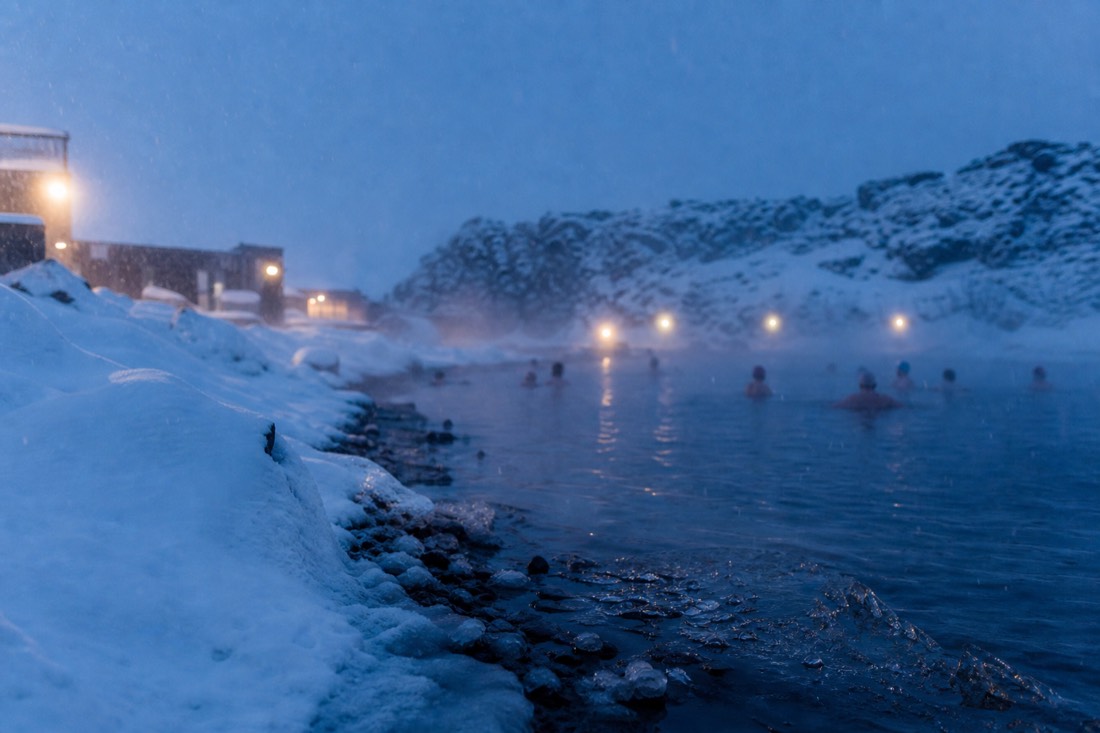
The empty day is not a wasted day. It is the shock absorber that lets you move a cancelled tour instead of losing it, and with children it is also the day that stops the trip becoming a forced march. Some of the best afternoons I have seen families have here were unplanned ones spent in a heated outdoor pool while it snowed on them.
Book the aurora night early in the trip rather than late, because the widely booked bus runs give a free retry on another night and a retry is worthless on your last evening. And keep the ambitions honest: two or three real experiences over five days, done properly and without anybody in tears in a car park, beats six ticked off a list. Nobody remembers the sixth waterfall anyway.
Golden Circle Classic Day Tour from Reykjavik
Build the family week the way the article ends it: one big tour, one short one, a pool day and one deliberately empty. Book the big day first, early in the trip, and let its 24-hour free cancellation absorb whatever February does.
6h 30m · de, fi · Hotel pickup offered; details on the listing
Scheduled departure dates. Availability and final price are confirmed on Viator.
None of these experiences matches that choice. Adjust your preference or reset to the general recommendation.
Compare Options And Plan Your Trip
- The big day, sized right
- 6.5 hours, three varied stops, the article's own pick.
- The three-hour boat
- Heated cabin, harbour start, genuinely exciting.
- A lagoon afternoon
- Weather-proof; read its own age rule first.
- Sleep out there instead
- The package that removes the eleven-hour coach day.
- The underground constant
- Weather-proof, year-round, half an hour out.
Before Booking
Wheelchair accessible Foldable wheelchairs can be accommodated providing the passenger is accompanied by someone who can assist them board and disembark. However be prepared for uneven surfaces at the sites visited which may be difficult for those with walking disabilities or using a wheelchair Not included: Food and drinks, unless specified; Headphones for the audio guide